
Restorative Creativity: Art Practices for Low Energy
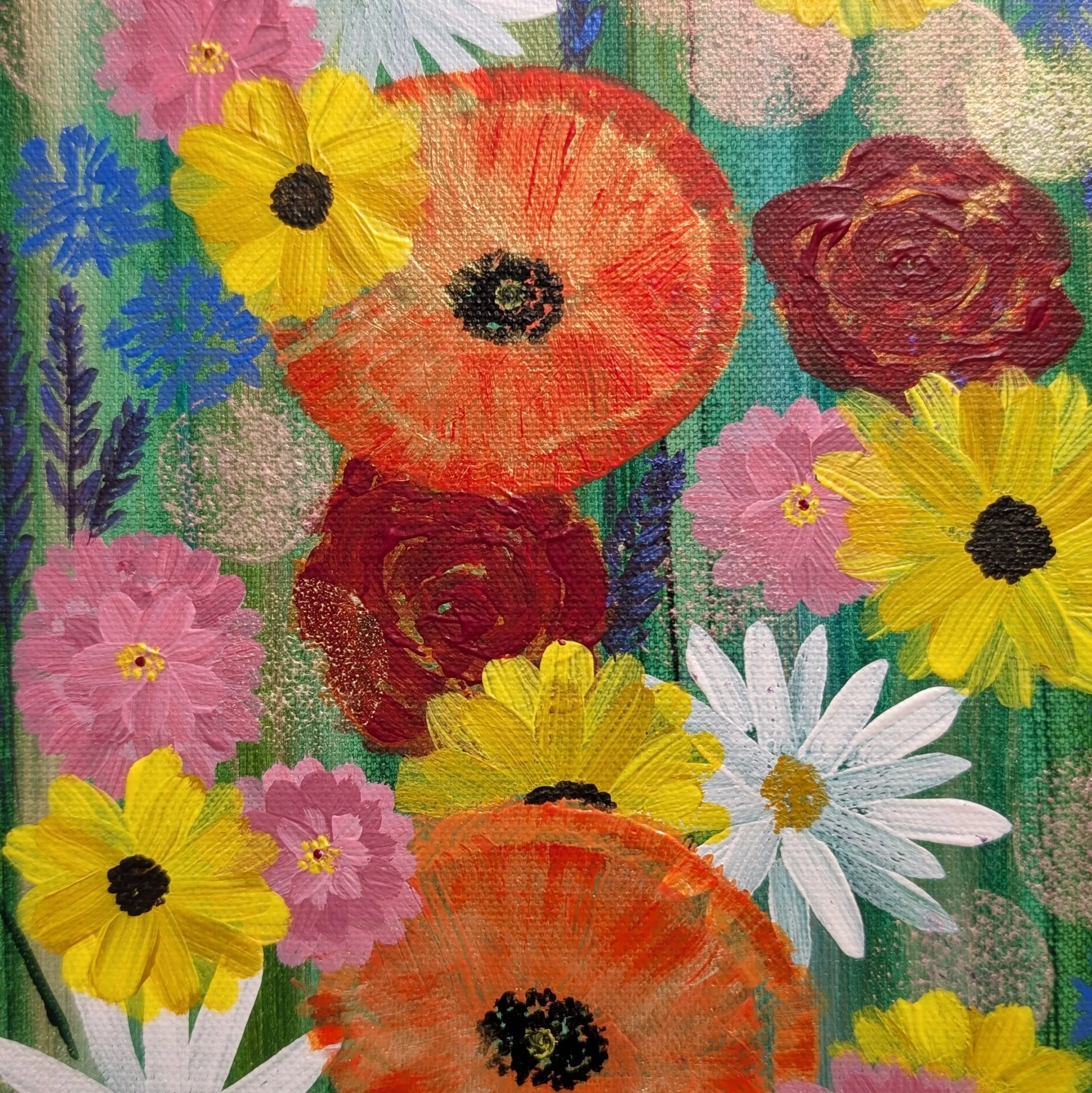
Anna Volk, Garden Meditation I, 2026, acrylic on canvas. Detail view.
My first encounter with bone-deep exhaustion followed an afternoon-long tussle at a swimming beach. A tussle with the waves, to be exact. After hours of wanton water play—mostly pretending to be a tsunami goddess—I dragged myself to shore. My body felt like a powerful magnet, and the Earth a giant refrigerator that all my being couldn’t lift itself from. In the car, I could barely keep my eyes open to eat the Sundae Cone my mom bought at the little store along the lake loop home. I slept straight through dinner and into the evening. But the next day, I felt completely refreshed, off to adventure another day. Naturally, it was because I—and everyone around me—simply let my body rest.
I often miss how uncomplicated my relationship with rest was as a child, and I suspect I’m not alone. In theory, most adults agree that sleep is important. We know we need seven to nine hours, and we acknowledge that’s just as vital as exercise and a well-rounded diet. However, have you ever actually tried to openly declare that you need a break as an adult? It gets tricky.
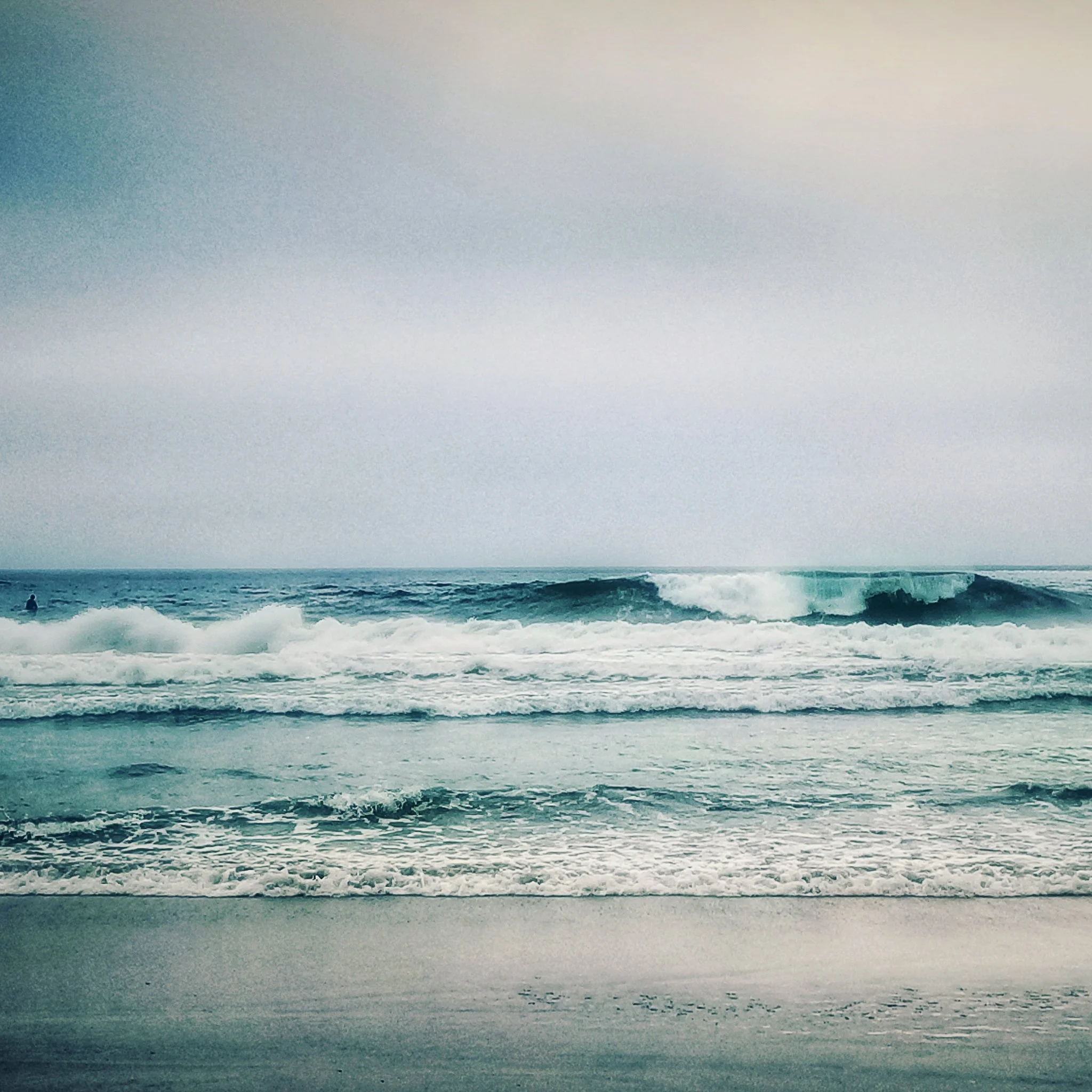
And You Are the Blip on the Left, 2018.
Unfortunately, rest often gets tangled up with responsibility, performance, and the crushing anxiety of trying to keep up without letting anyone down. Something as natural as taking time for yourself is suddenly framed as selfish or lazy. So, heartbreakingly, instead of scaling back on the stress-inducing parts of life when our energy is low, we sacrifice the very things that give us joy. We heave them overboard like luxury cargo off a sinking ship. Ironically, those bits of joy—like restorative creativity—are the exact things that might actually keep us afloat in the storm.
When you find yourself sinking into the stresses of life, you don't need to abandon your creative practice. You just need to shift its utility from producing work to preserving your own vitality. Today, I want to share a few easy ways to connect with your creativity when your energy is low and you desperately need to recharge.
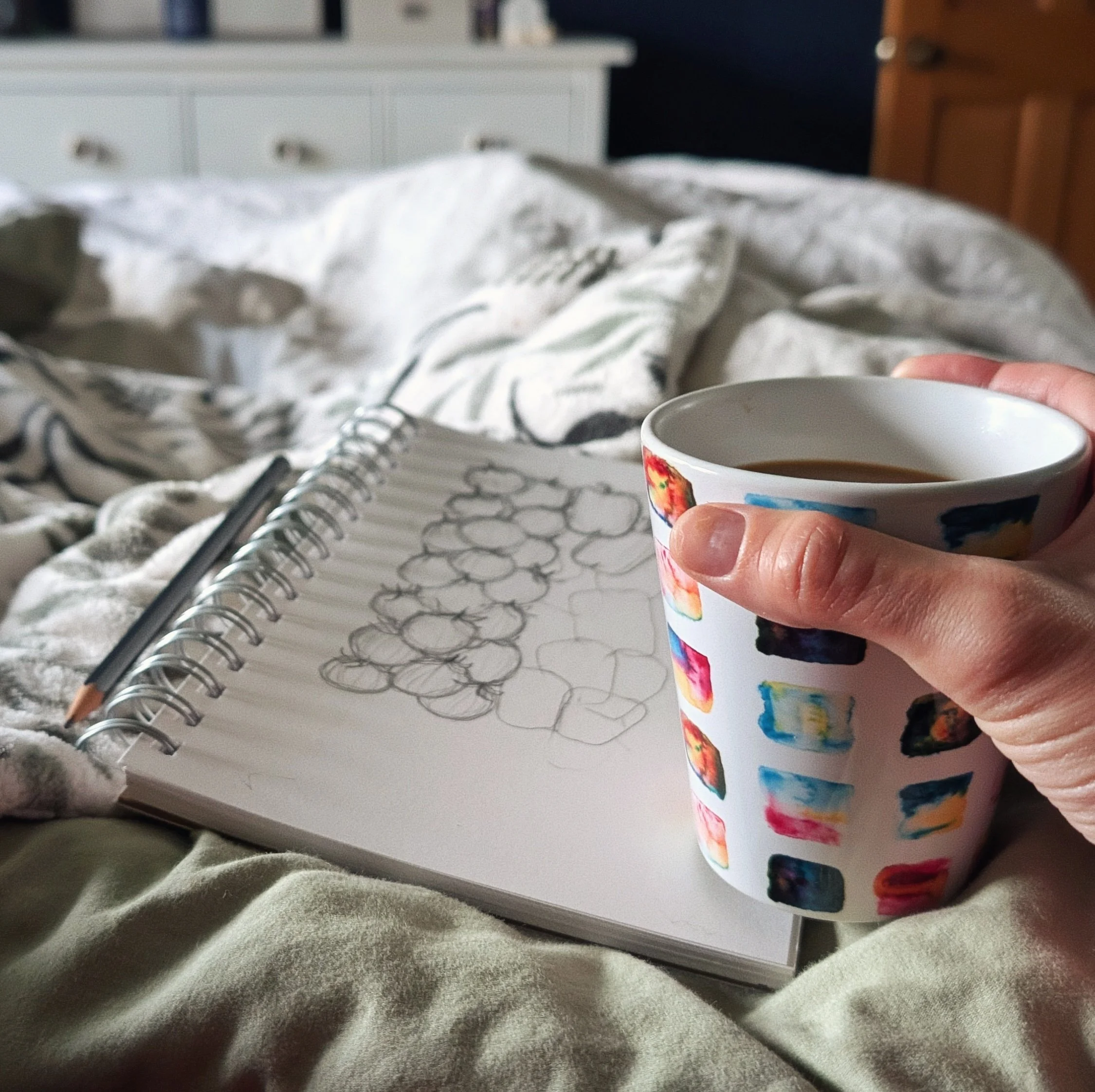
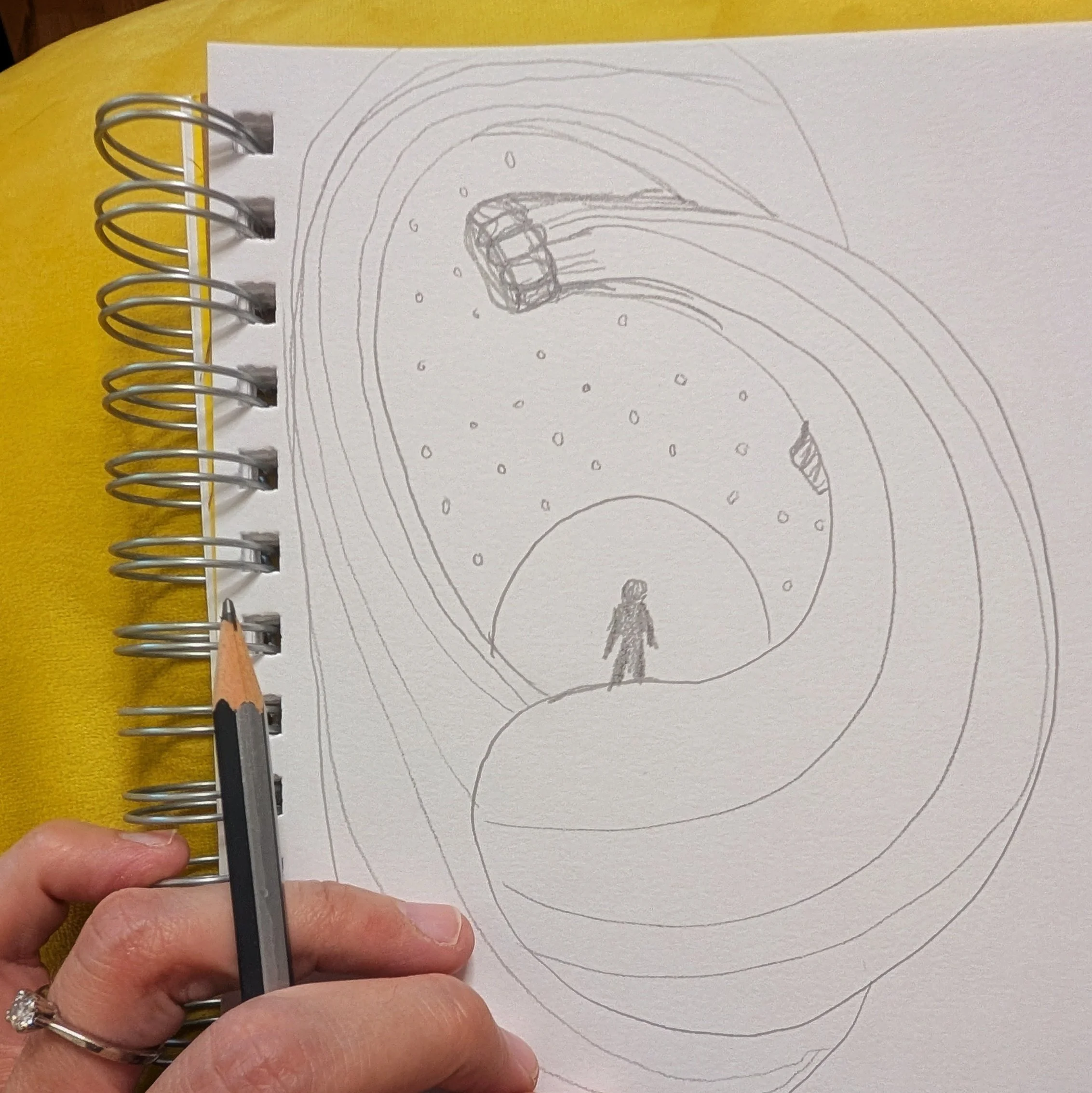
A cozy sketching session.
1. Keep a Visual Diary
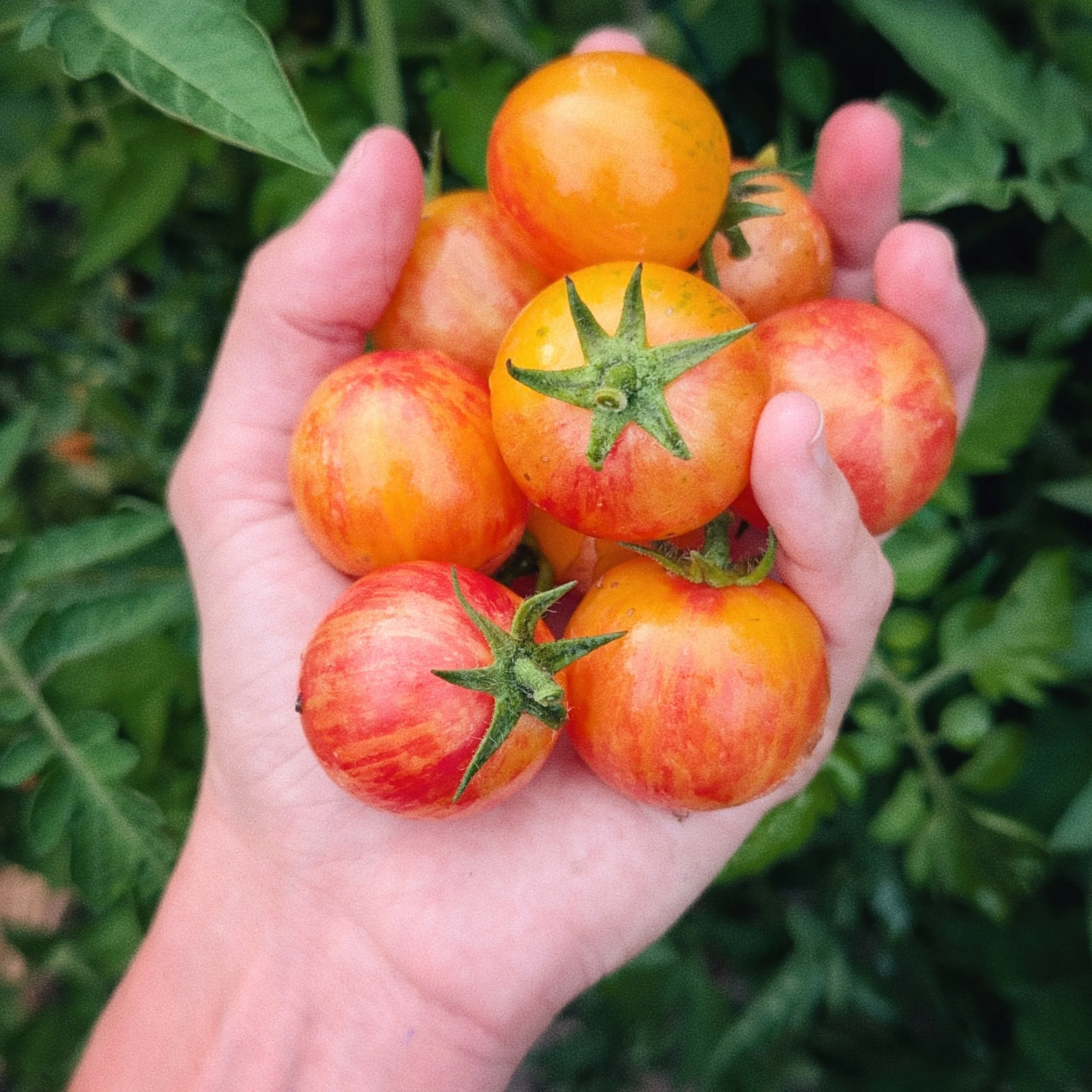
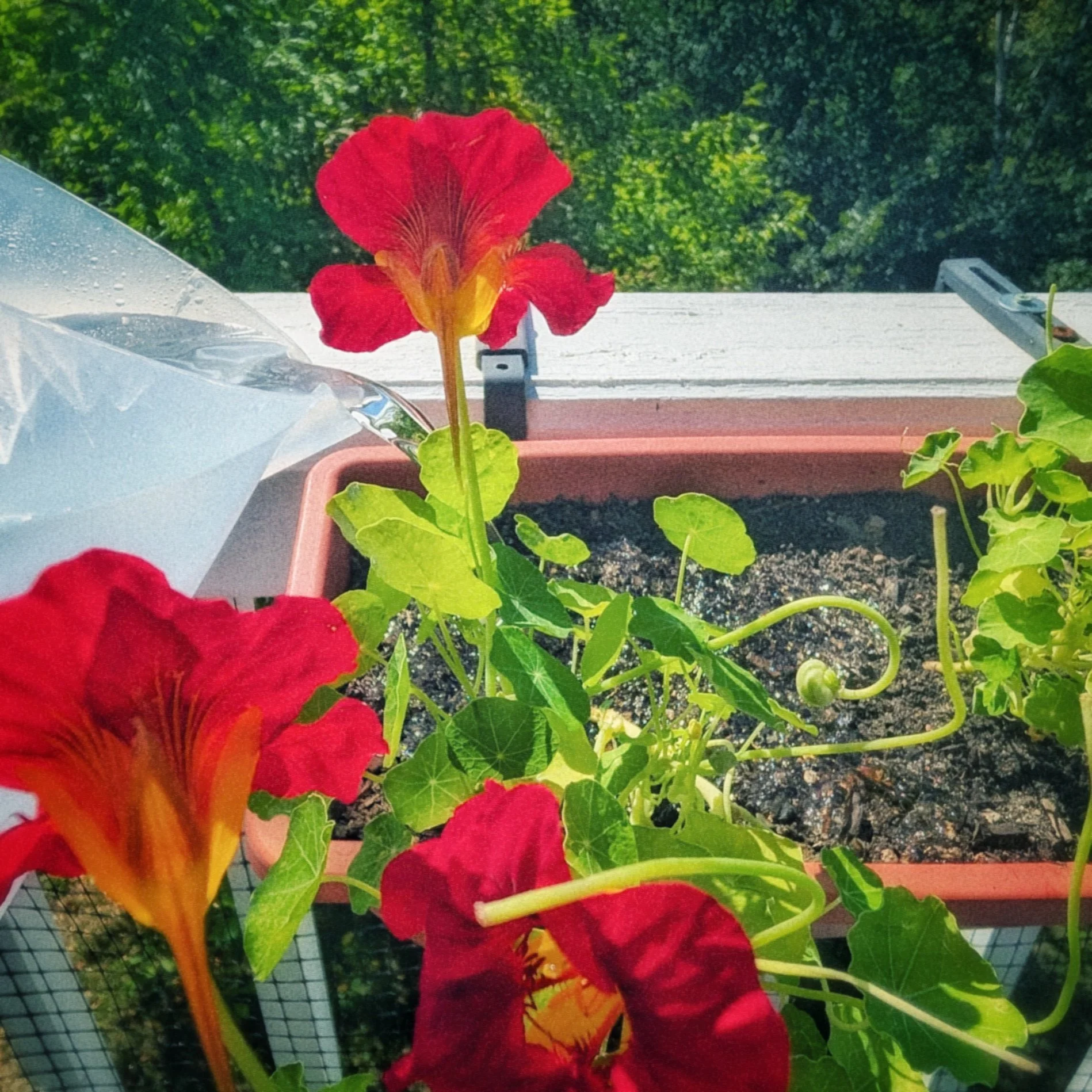
All too often, we’re quick to whip out our cameras for “Instagrammable” moments only. Those snapshots get edited into pristine oblivion and shared, making our lives look flawless and romantic. Everyone nods and smiles while the messy reality of our respective situations burns in the background. We can bypass all of that and do something much less draining. We can keep a visual diary.
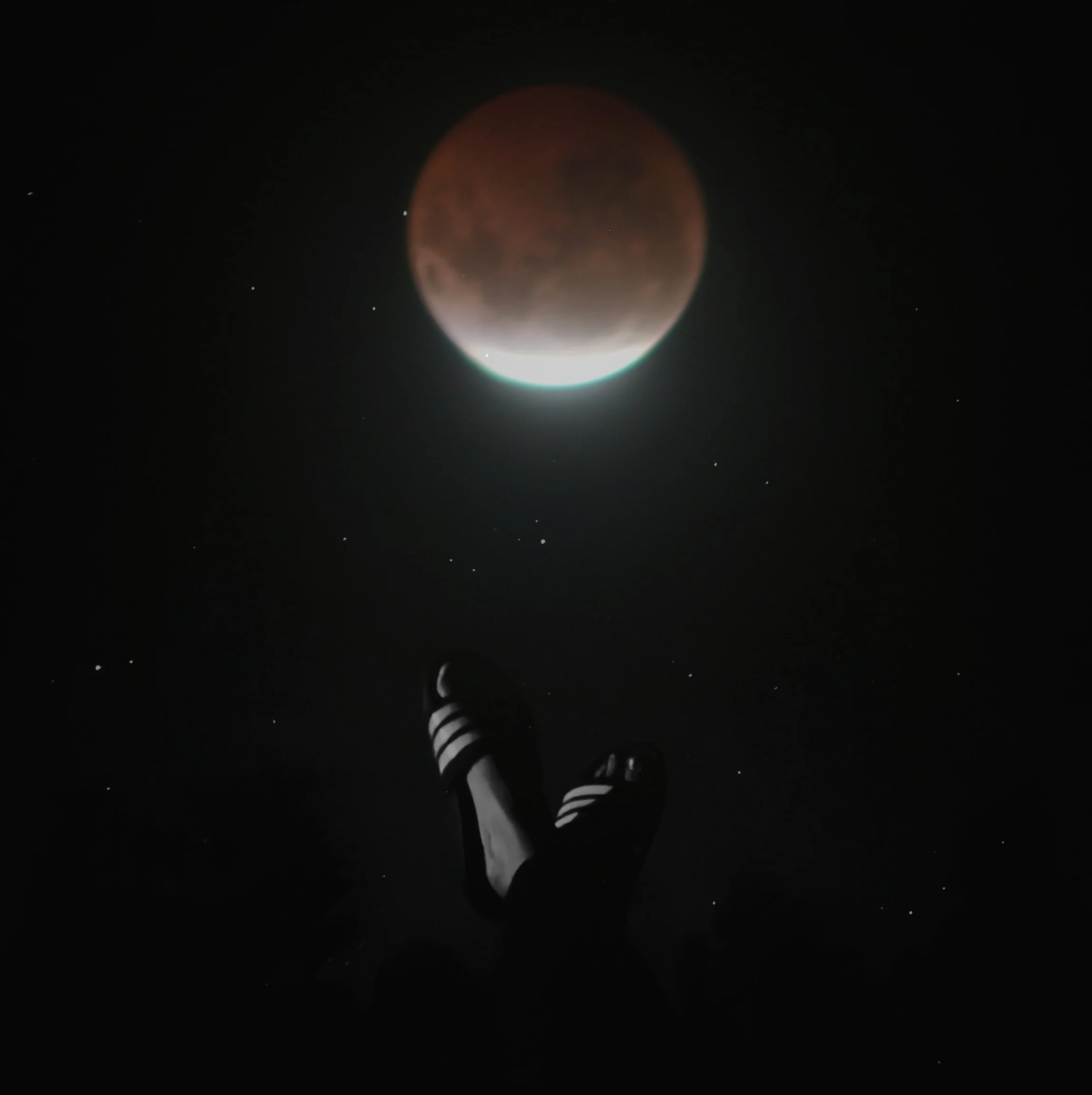
This option is great for when you want to tell a story with your artwork but you don’t have the energy for a traditional canvas or curated set up. It’s also satisfyingly creative. To keep a visual diary, start by photographing the ordinary parts of your day: the house chores, the mundane errands, the heavy workload, or even random objects that catch your attention. Just capture a few daily moments on the fly. Then, at the end of the day, play around with editing them to form a cohesive collection. Over time, you’ll have a visual record of the whole story.
Don’t get me wrong—capturing joyful moments and the highs of life is important, too. But it is profoundly exhausting to pretend that same tired story of perfection is all there is. Also, when you only document perfection, you end up gaslighting yourself as to why you were so exhausted in the first place.
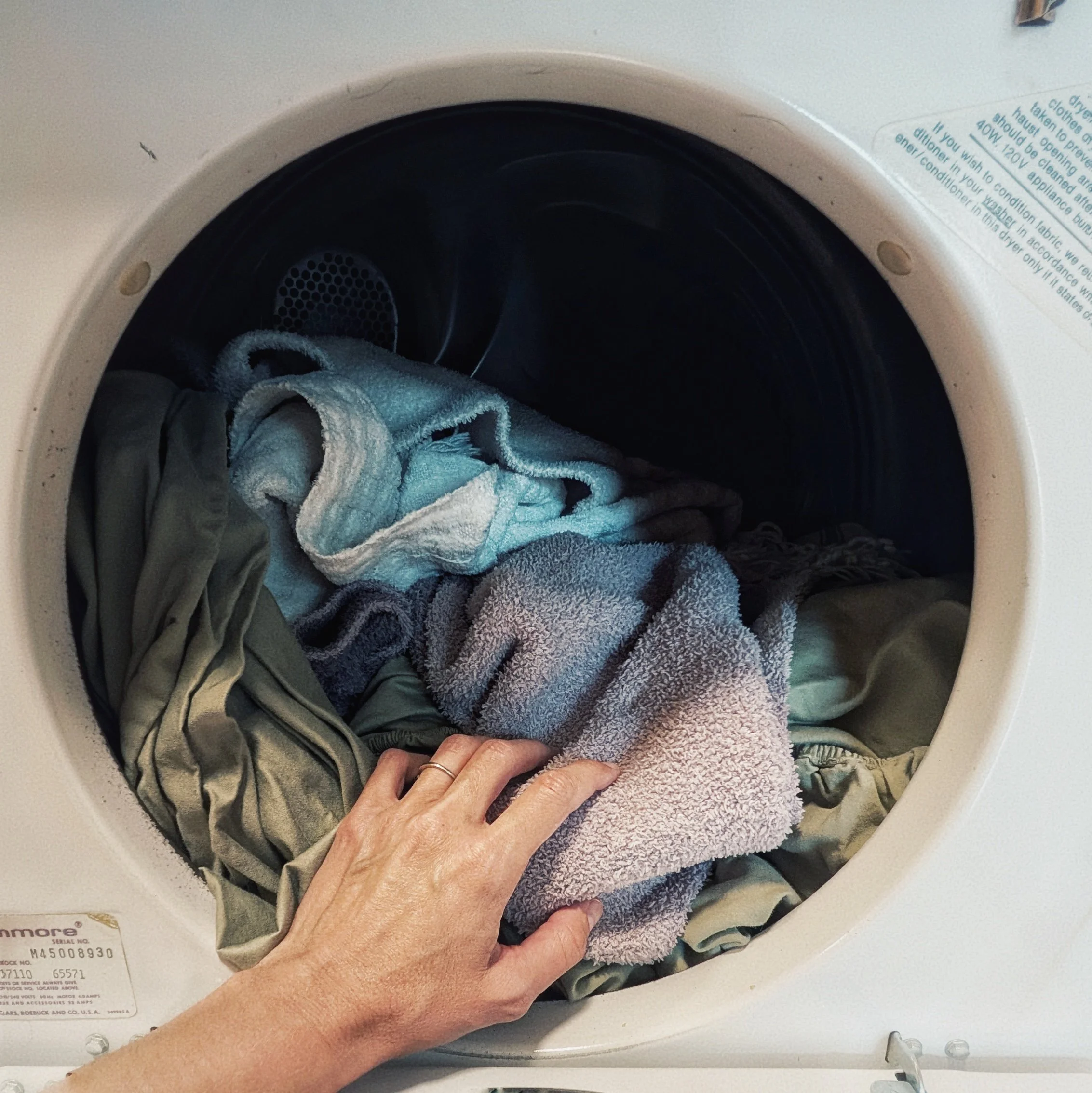

2. Do the Baby Step Breakdown
Sometimes when I’m very low on energy and feeling heavy, I’ll turn to art for a release and then simultaneously clam up in response to the dreaded blank page. Suddenly, the canvas seems insurmountable, and I don't even know why I'm there. Can you relate?
A trick I’ve successfully employed over the years is to figure out one little thing I would like to paint, and then paint it over and over and over again. Not only is this a fabulous way to hone your skills, it’s also incredibly approachable. Building your art layer-by-layer or bit-by-bit invites you to slow down and take time with your creation.
Recently, I’ve been making “blossom boards.” I’m practicing my acrylic work, and I decided I wanted to paint flowers. But instead of planning out an entire, daunting composition, I would just sit down for a little while each day and paint a layer of one or two different types of flowers. Then, I’d return the next day and add a different set. It was so easy to get into a rhythm because I only had one job: find a place for this daisy or that rose. It felt like watching an actual garden grow.
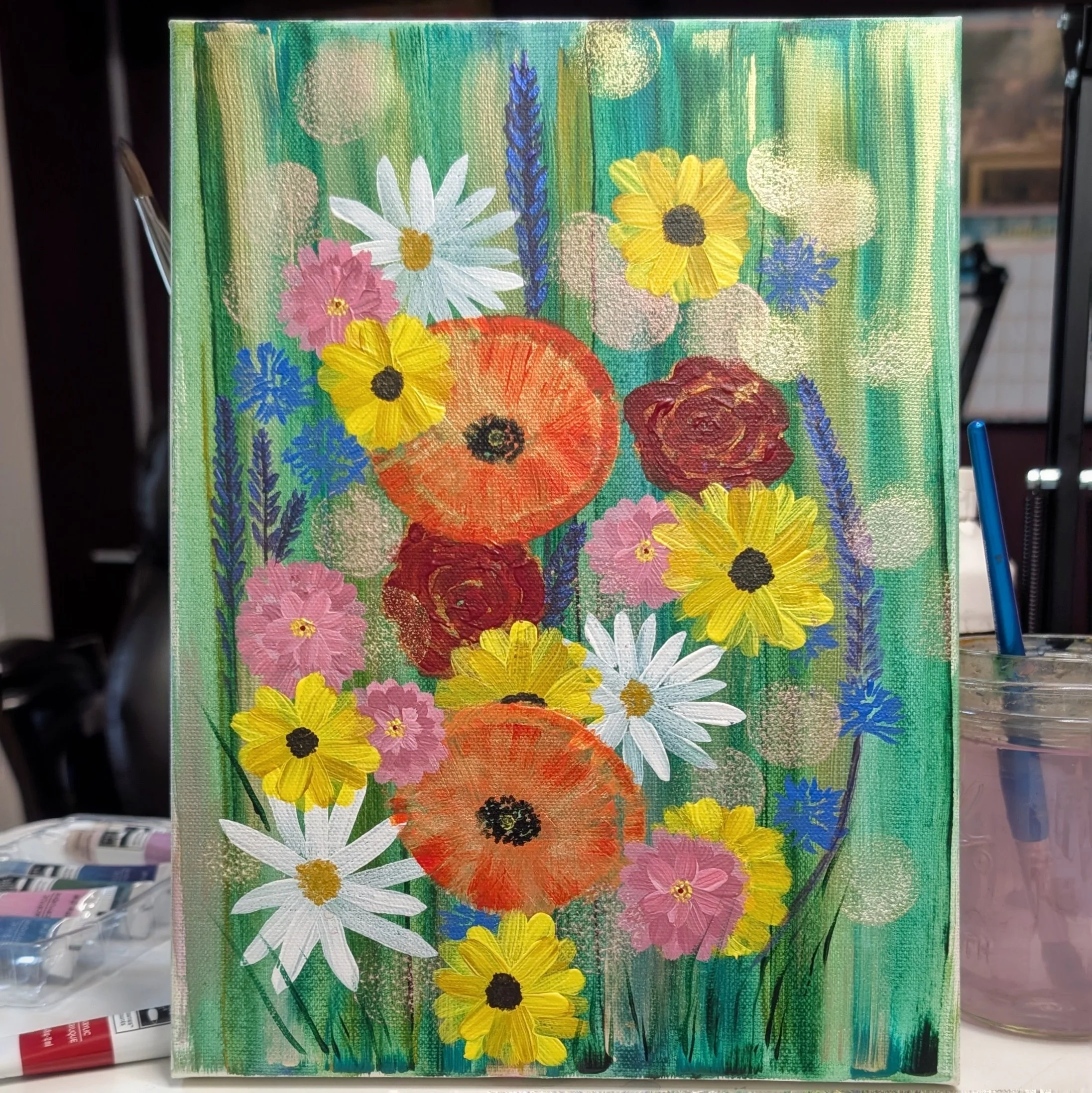
A recent bit-by-bit, meditative blossom board.
3. Create Low-Stakes Art
When we’re in self-preservation mode and deeply conserving energy, it’s hard to justify investing our dwindling reserves into projects that aren't strictly necessary—especially when they might not even turn out. The truth? With creativity, the final product is always a gamble. And the pressure compounds the less creative time you have, because you desperately want to make it count. That mindset demands everything go perfectly and, well... good luck with that.
Let’s lower the stakes, shall we? If you want to transform your limited creative time into moments you actually look forward to, reframe your projects as simple experiments or test cases. Scale things back so they can be completed in a single, short sitting. Your art doesn’t need to be enduring right now, but you do. So, make each creative pocket a space that facilitates a recharge.
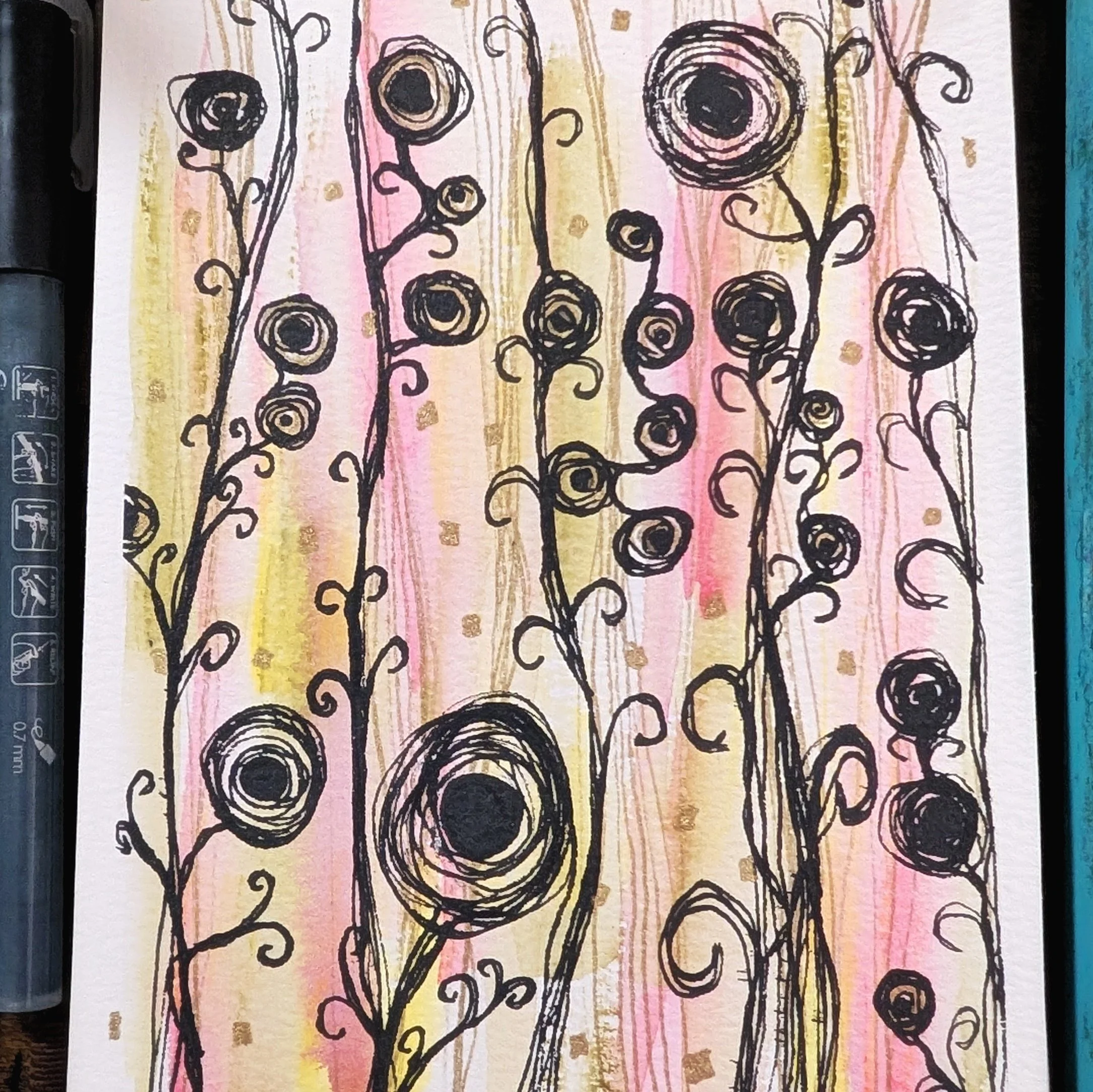
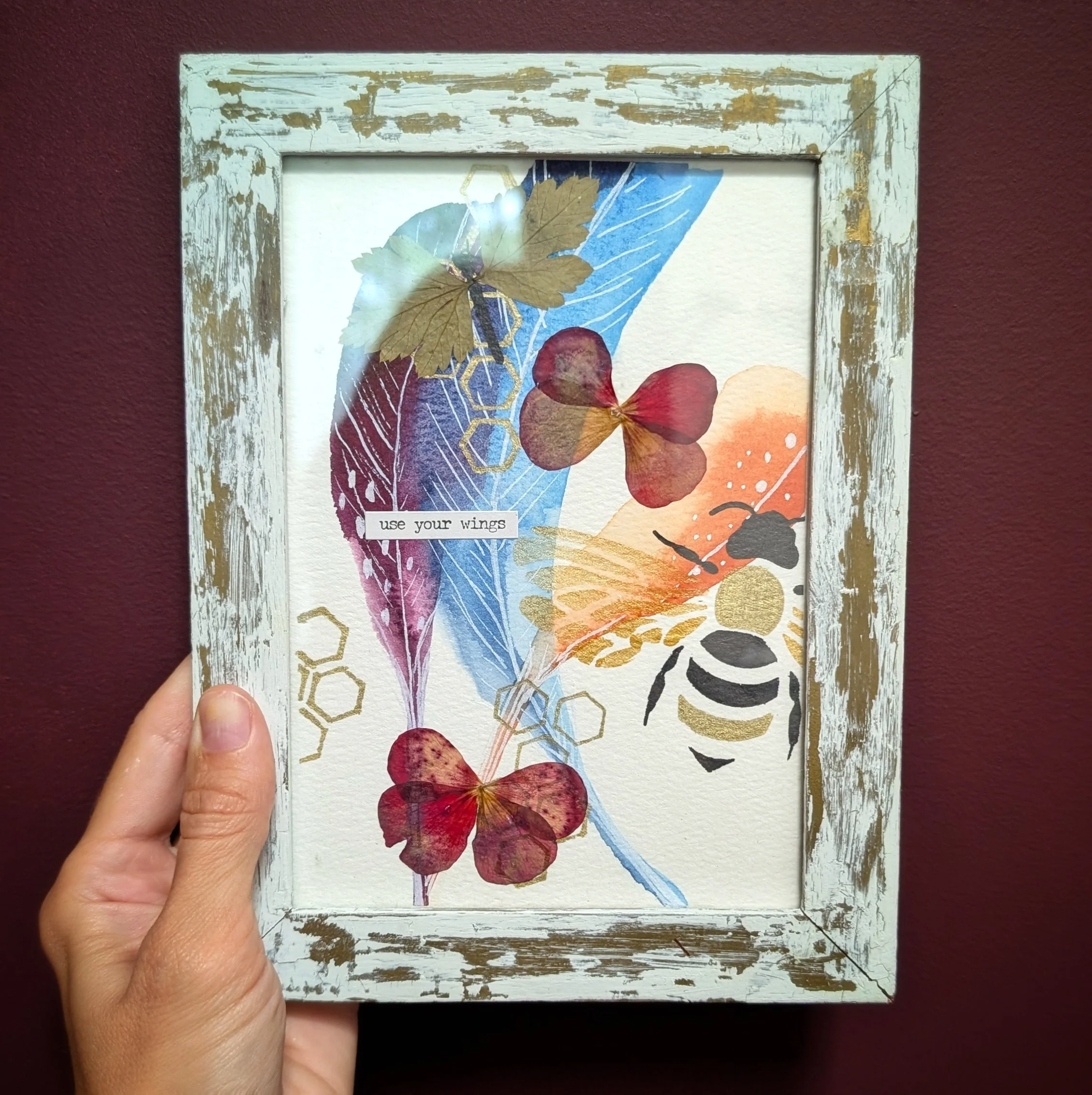
Personally, I turn to small pieces of neurographic doodling, journal-sized watercolor work, concept sketches, or quick collages. The collages can be done via physical media or digital double-exposure editing. All of these can easily be executed in under thirty minutes. As an added bonus, they are wonderfully portable and easy to pick up or put down if I want to develop an idea over a few days. Your art doesn’t need to be perfect. It just needs to be present, like you.
4. Find Your “Comfort Artist"
On days when I simply cannot be moved to show up for any kind of creative output, but still want to engage my creative brain, I visually wander in search of a comfort artist. If you don’t know what I mean, no worries—you’ll know yours when you see them. Looking at their work will feel like a warm hug, a cool drink of water, or whatever exact medicine you need in that moment.
A good place to stumble upon your comfort artist is online museum galleries, Pinterest mood boards, or maybe even just letting your mind recall someone spontaneously. Honestly, the few minutes your eyes spend looking for a place to land is kind of fun and relaxing in its own right. Once you find your artist, stay awhile absorbing their work. Let yourself be inspired and really fall into their creations. You don’t even have to know why you chose them. But, if a reason does occur to you, give yourself more of whatever that is.
I have been free-falling into Georgia O’Keeffe’s work lately. The Georgia O’Keeffe Museum hosts an incredible online gallery of her art. I’ve spent recent afternoons poring over the images, picking out my favorite pieces, and skimming the titles and notes. I decided I love her work right now because it’s clean, spacious, and as essential as bones. Like a great, big breath.
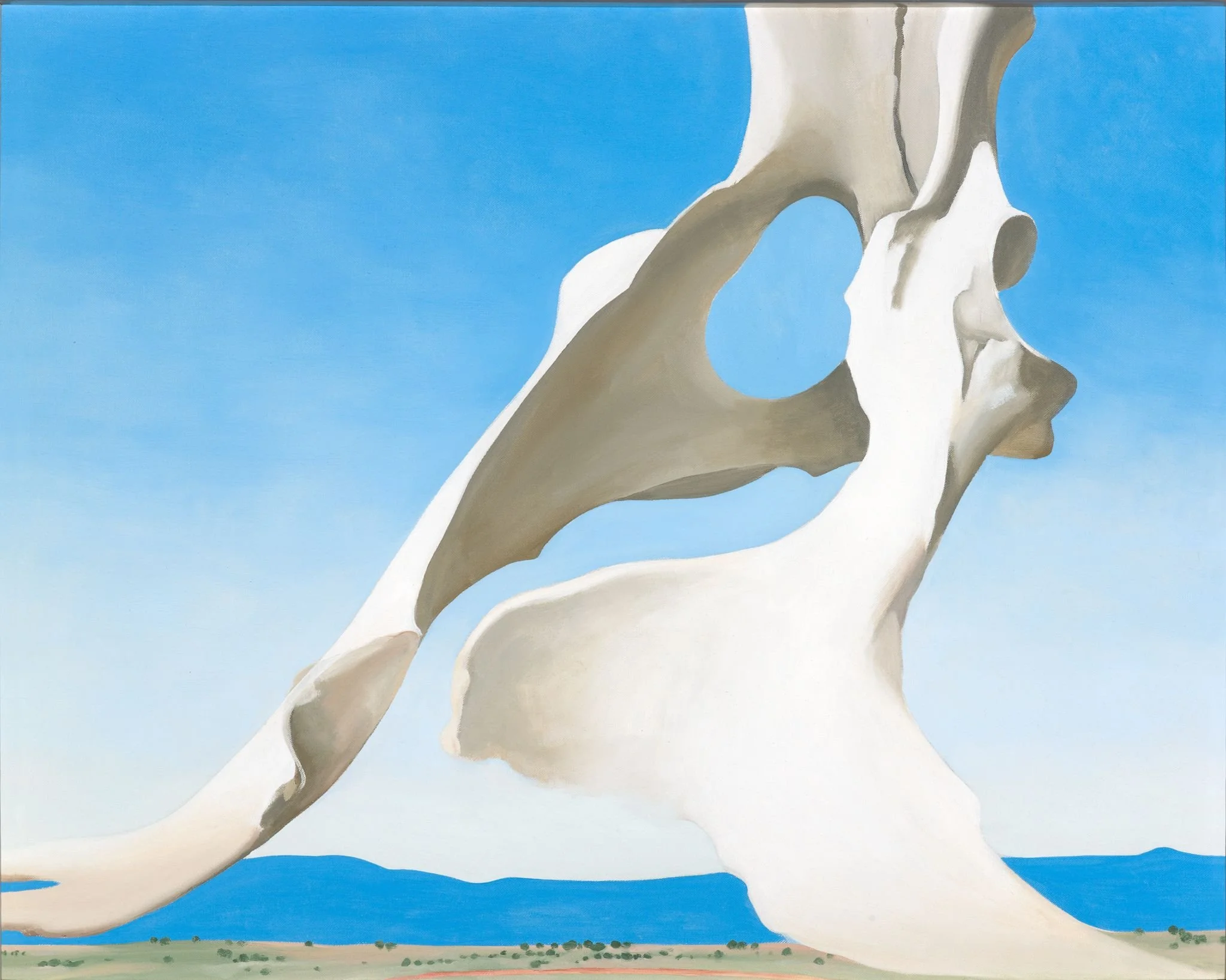
O'Keeffe, Georgia. Pelvis with the Distance. 1943, Indianapolis Museum of Art. Access O’Keeffe, Georgia O’Keeffe Museum, https://access-ok.okeeffemuseum.org/object/8971/. Accessed 3 September 2026.
5. Watch the World Go By
As restorative as active creation can be, it’s only half the story. The creative process starts long before you put a brush to the canvas. It starts when you open yourself to the hum of the world around you and the perspectives of everyone and everything else in it.
Taking time to simply be receptive is one of the most underrated and ultimately reenergizing components of creativity. You don’t need to generate anything. You just need to be a sponge. Let everything you soak in fuel your next creative endeavor. You can do that anytime, anywhere.
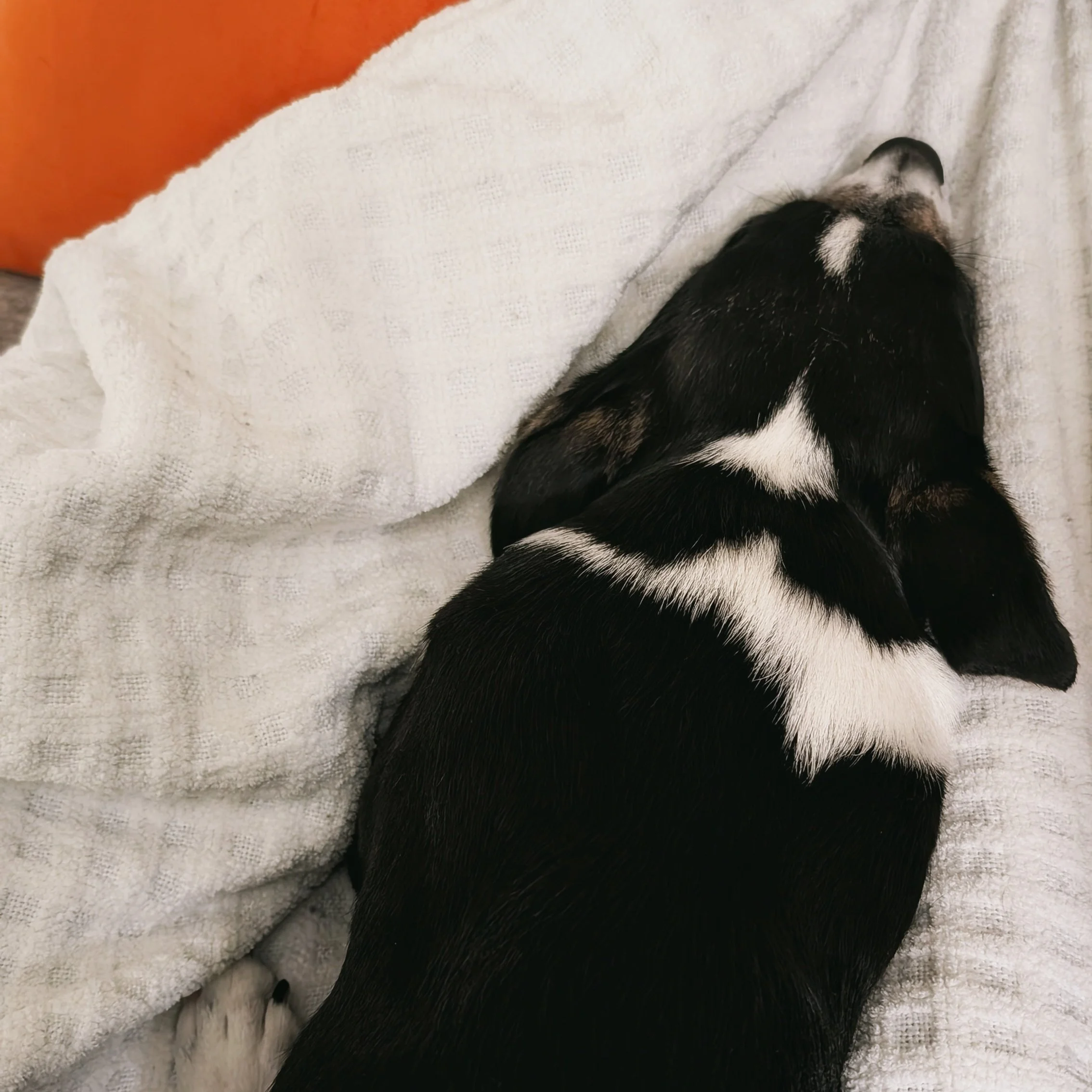
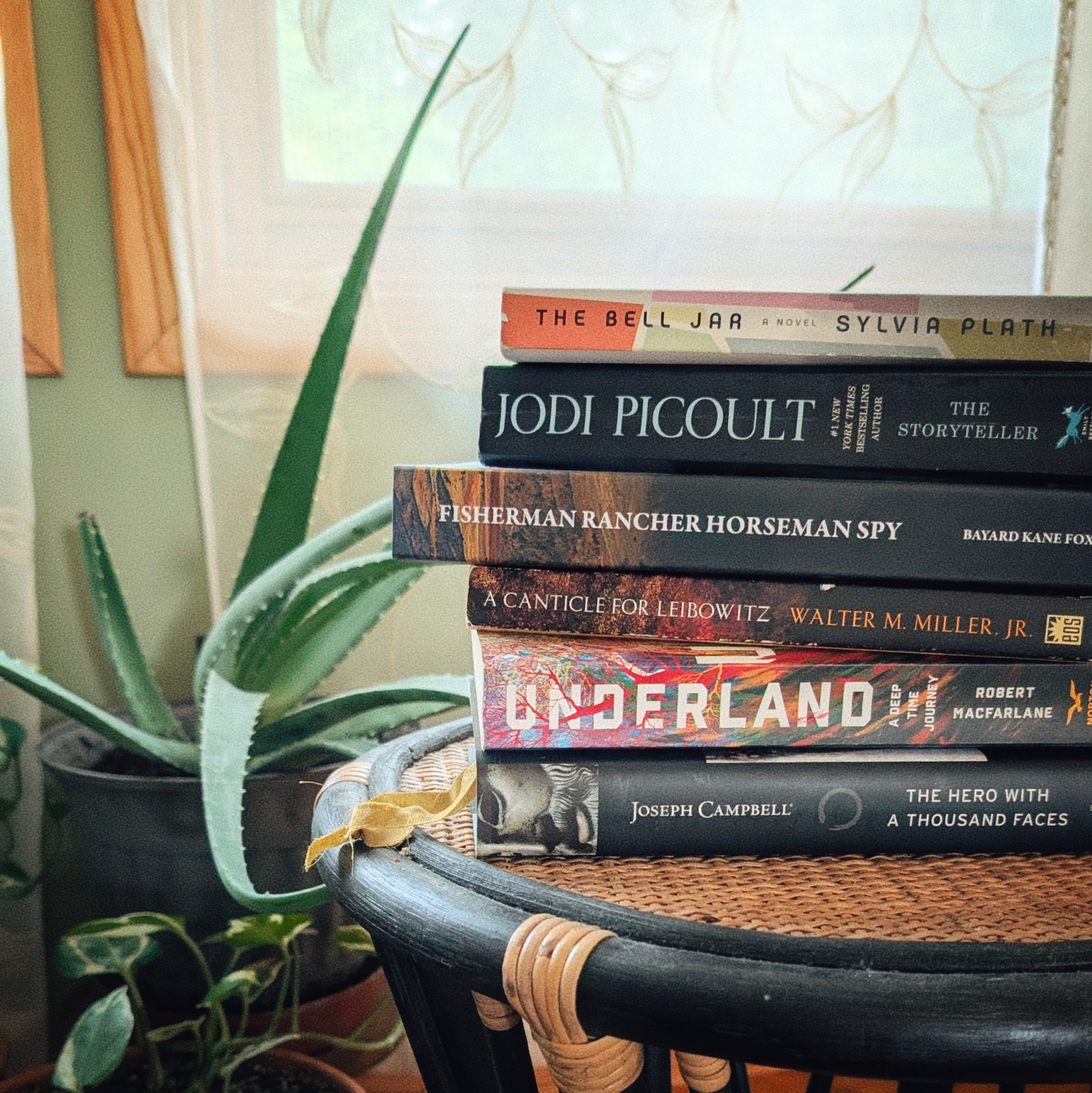
My go-to reception mode is wandering. Sometimes I go for a physical walk. It’s a twofer, low-key exercise and an open window for creative inspiration. Other times, I cuddle my dog and visually meander into old movies I’ve never seen. And of course, I always like to journey through a good book. I used to be a voracious reader and am trying to get back into the habit. The other day, on a whim, I gathered up one of my favorite novels along with books recommended or lent to me over the years by people in my life. Pro tip: recommendations are the most energy-efficient way to make a book list.

There is a plethora of reasons why we find ourselves low on energy and in desperate need of rest: demanding life seasons, physical and mental health challenges, caretaking, external pressures. The list goes on. But, there is no reason to throw your sources of joy, like creativity, overboard. They aren’t the only things you need to stay afloat, but they will help to keep your spirit buoyant.
What’s your favorite low-stakes way to stay creative when you're tired? Let me know in the comments below or leave a simple emoji if you plan to try one of these practices! Thanks for stopping by! :)