
STEEP: Brewing an Invitation for Inspiration
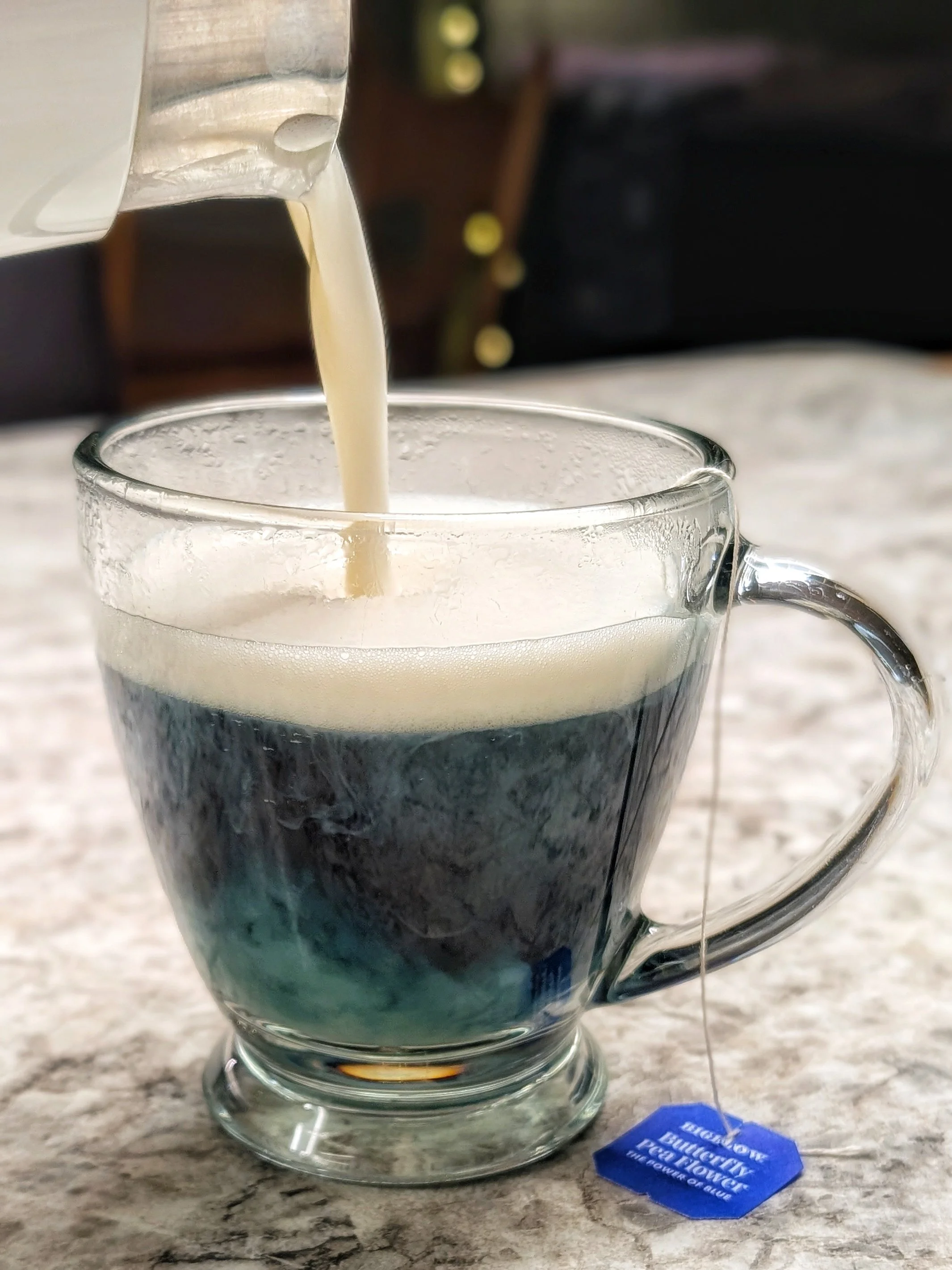
Brewing up the magic with a little pea flower tea. Let’s spill it, shall we?
Lately, I've been throwing myself into wild and wanton playdates with the abstract elements—line, shape, form, color, texture, and value. By wild and wanton, I mean immersing myself in nature, films, paint palettes, and everyday objects that pique my interest. I've been making notes, photos, and practice pieces. Reframing. Transforming. Experimenting with reckless abandon. And if you're wondering why, keep reading.
Let me tell you a secret: artists aren't constantly brimming with inspiration. Part of the work is setting the table. Inspiration has a standing invitation for tea. You'd better be ready. Of course, there are many ways to do this. Personally, I like the following method of madness that I refer to as STEEP. Let's break it down one letter at a time.
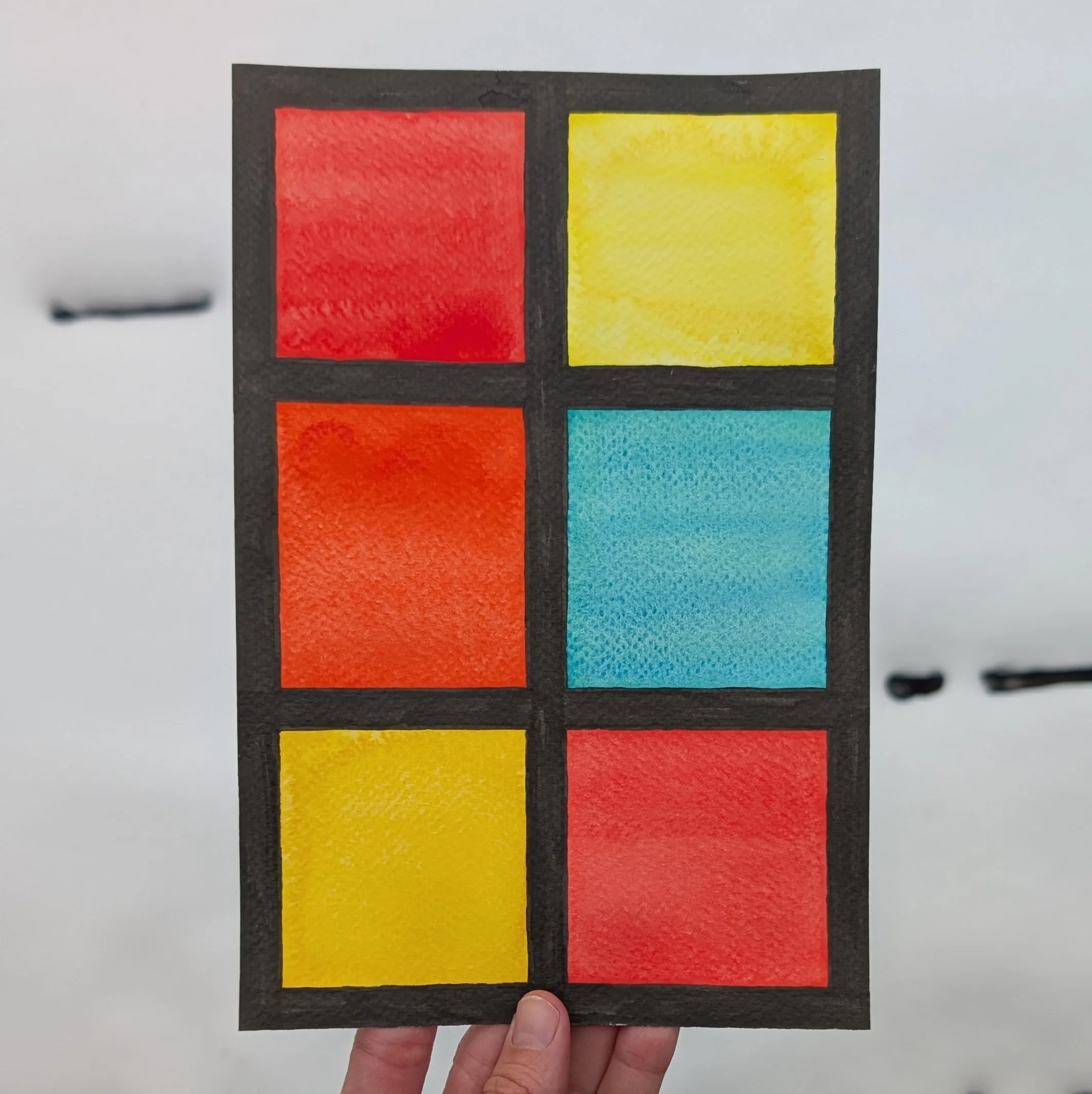
A product of immersion. My recreation of Maria’s iconic bedroom doors (or at least a little segment) from West Side Story. Flat wash watercolor with black ink borders.
S - Sense: The Noticing
Sense is the beginning of everything. It’s the noticing. When you walk through the world, what bites at your ankle? For me, recently, it’s been Hitchcock movies, the set from the 1961 production of West Side Story (see photo above), nature fractals like tree canopies and snow lumps, bubbles, triangles, shimmering paint water, and pea flower tea. I think most people stop here, because it's easy to dismiss persistent pulls as distractions. Stop fighting it. If it demands your attention, your brain has business with it. Probably. Time for a closer look.
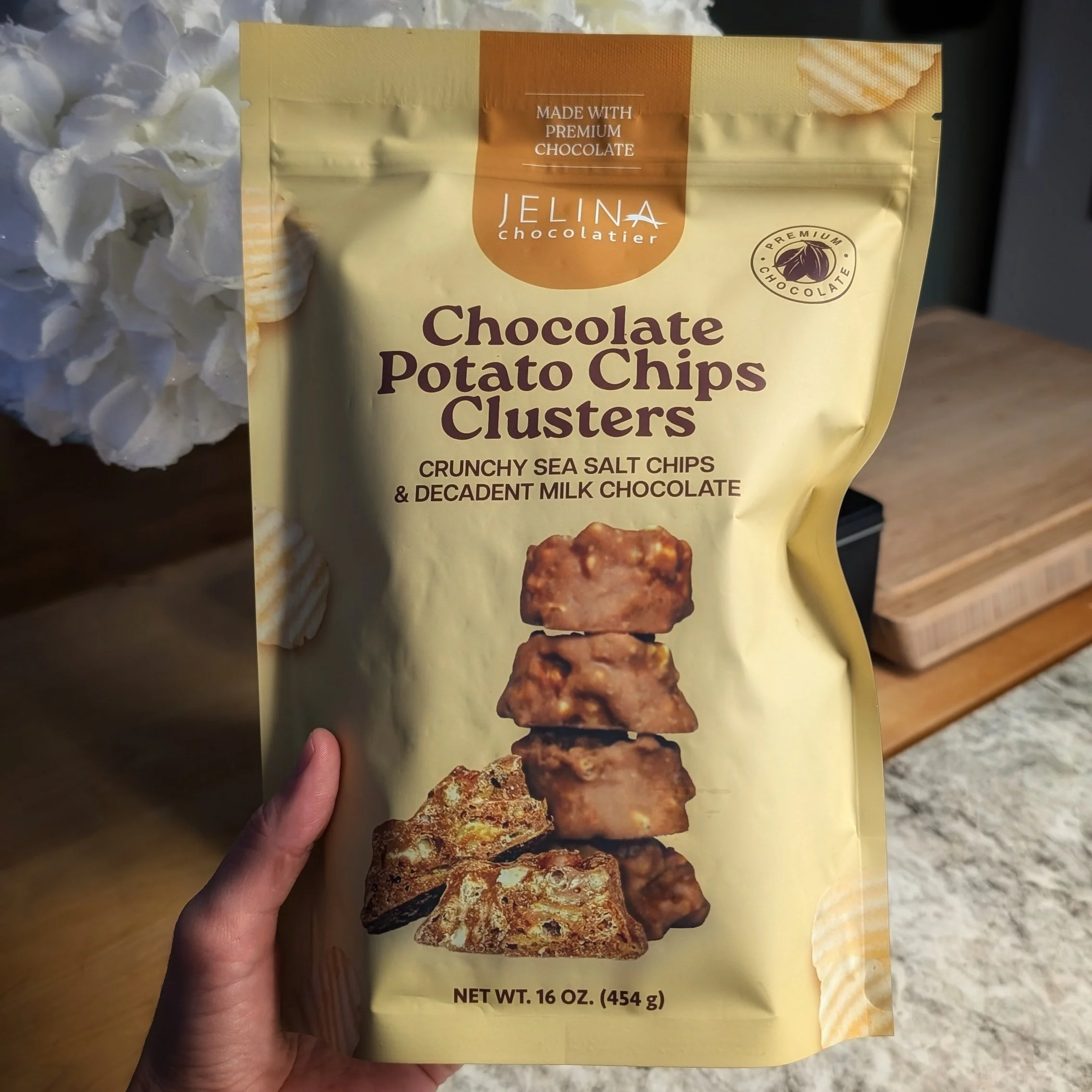
Side note: don’t be fooled there are REAL distractions. These gourmet chocolate covered potato chip clusters I’ve been meaning to send to my dad for several weeks are a great example. They call to me each day, but we both know that we have no business together (except the post office). Sigh.
T - Taste: Taking It In
This brings us to step two. Taste or taking it in. Okay, you’ve noticed a few things in your environment, time to examine and understand why. Some of the questions I ask to engage with this step are: What about it stands out most? How does it make me feel? Does it remind me of something? For example, the photo below is from that marvelous display of Northern Lights that dazzled much of the U.S. a few weeks ago. I captured a few photos and couldn’t stop looking at this one in particular. I think it’s because the streaks of variegated color look like giant brushstrokes in the sky. I didn’t feel the need to do anything with this observation at the time other than savor it. That’s what the taste step is all about.
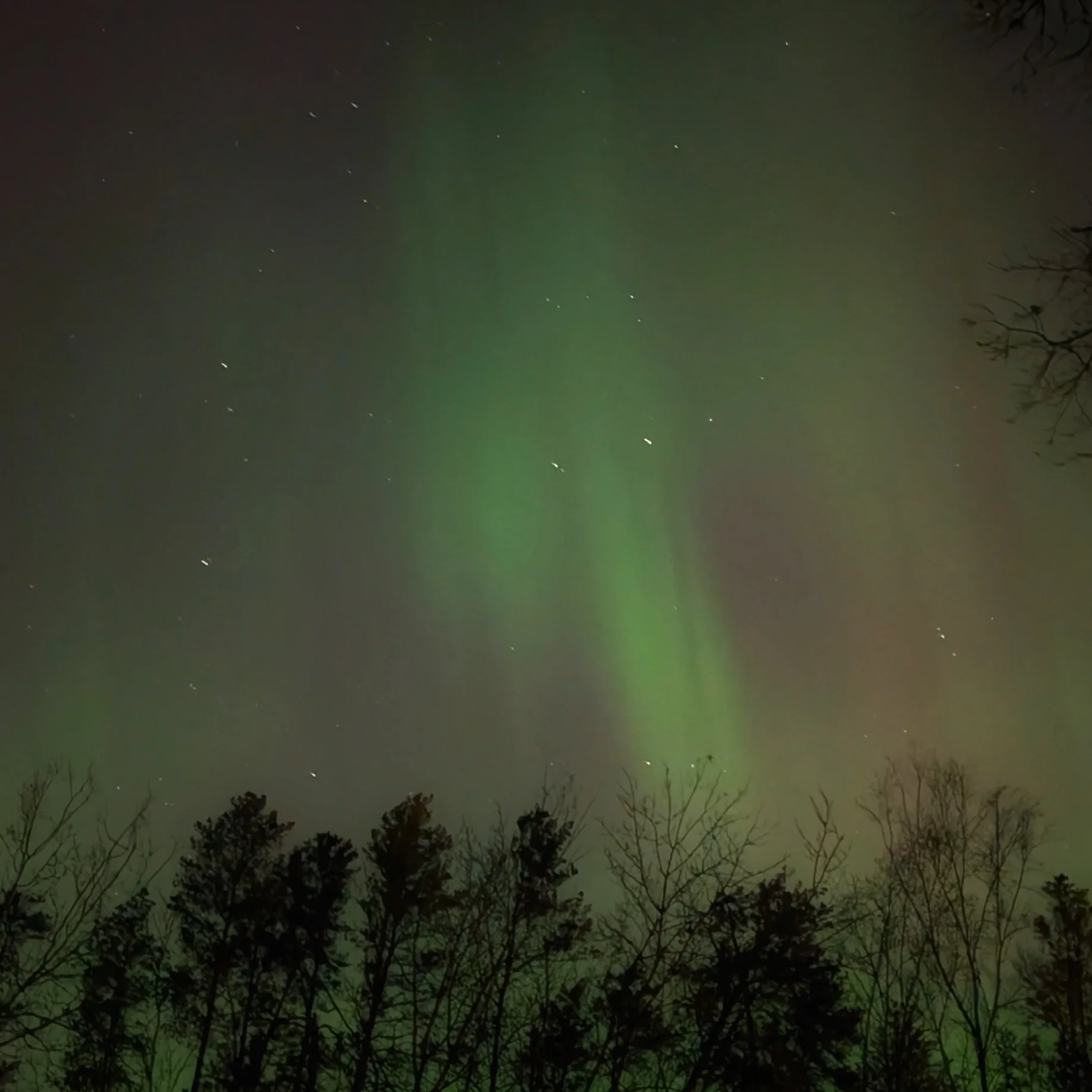
Northern Lights streaking through the night sky!
E - Experiment: The Frenzy
The third step, experiment, begins once we’ve let our observations sink in. Now that you understand the draw, what can you create? For me, I like to take a visual shorthand using photos to tease out the elements I currently find captivating. I like to manipulate the images to see what speaks to me. You can do this with other mediums, too. A few examples of experimentation would be emphasizing specific elements that stand out to you (photo 1). You could also isolate shapes and forms by removing the frame of reference or simply viewing the elements abstractly (like instead of an orange think of it as an orb). This can help transform the visual into something entirely different (photo 2). Even something as simple as perspective can help you see with new eyes (photo 3). The photos below are visual examples of each with notes.
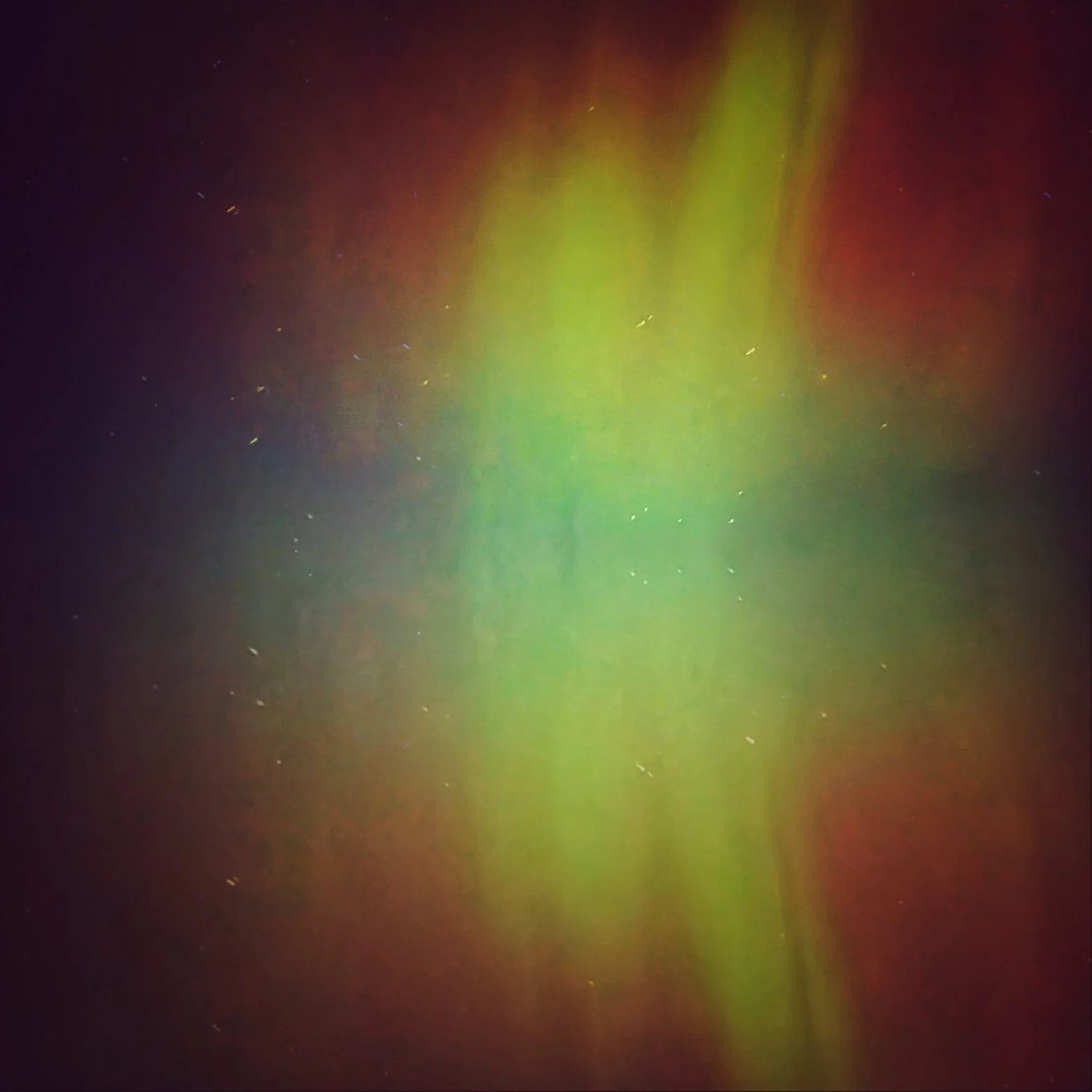
Photo 1: Mirrored double exposure of Northern Lights with emphasized color and that brushstroke texture.
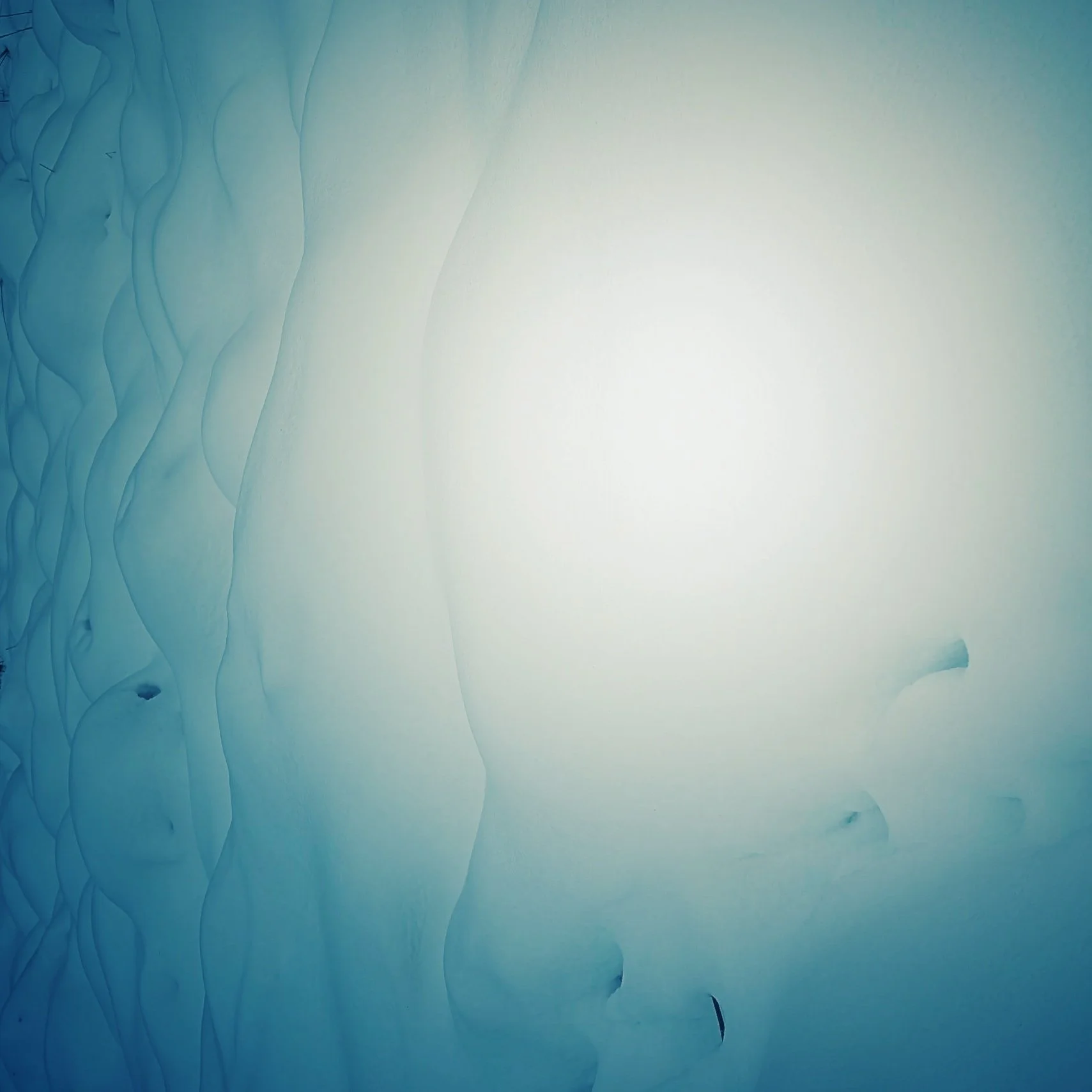
Photo 2: Snow lumps isolated, rotated with blue vignette to play with line, shape, and form.
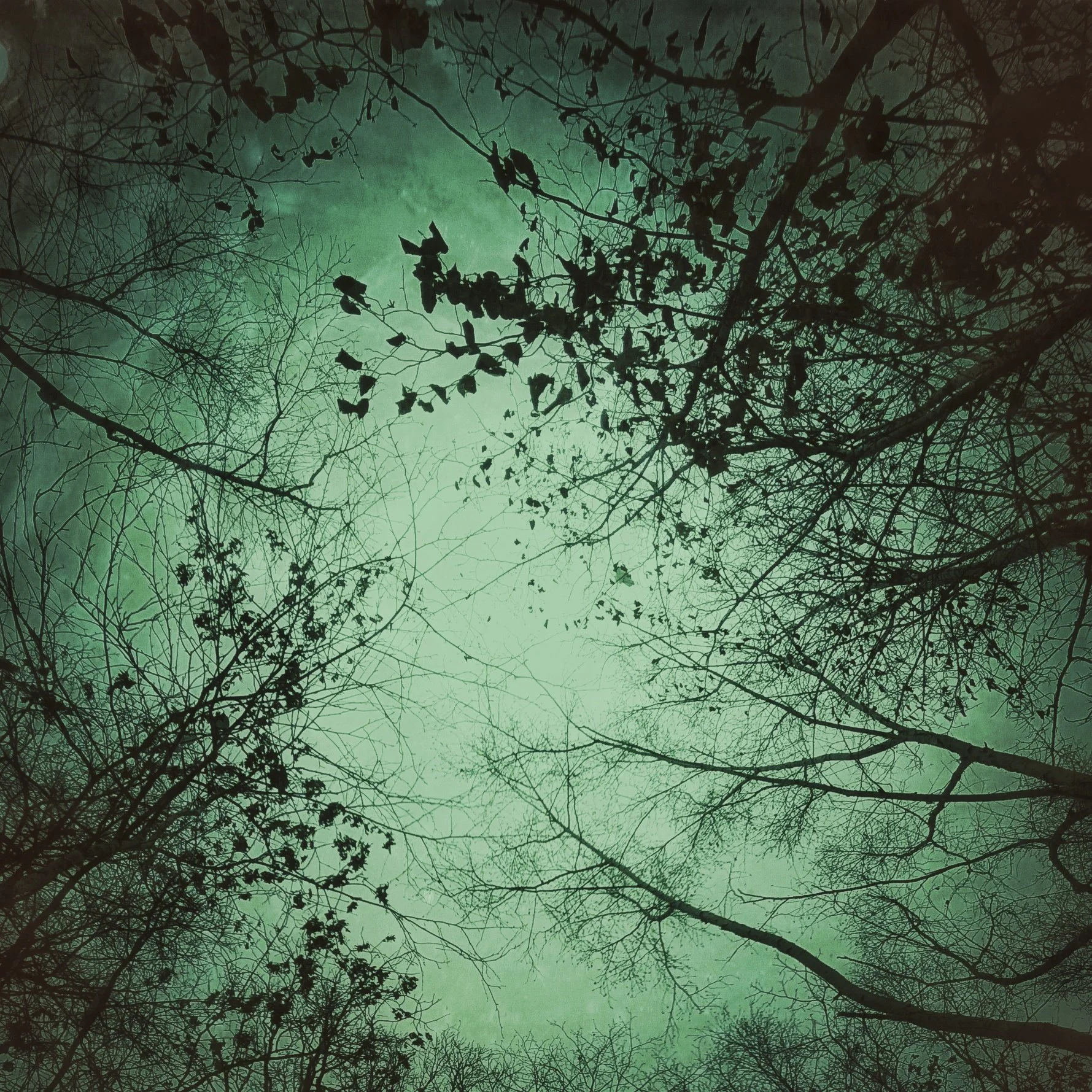
Photo 3: Tree canopy from below, creating an interesting perspective with high contrast values for added drama and line emphasis.
E - Elevate: Find Your Focus
After the frenzy of experimentation has subsided, it’s time for the fourth step—elevate. This requires more intention. For this, you need to look at your own experimentation patterns. For example, in all the personal creative endeavors I’ve been engaging in lately, I’ve been gravitating toward jewel tones, high contrast values, layers of texture, and ambiguous organic shapes. The photo below pretty much sums it up. The elevate step provides focus.
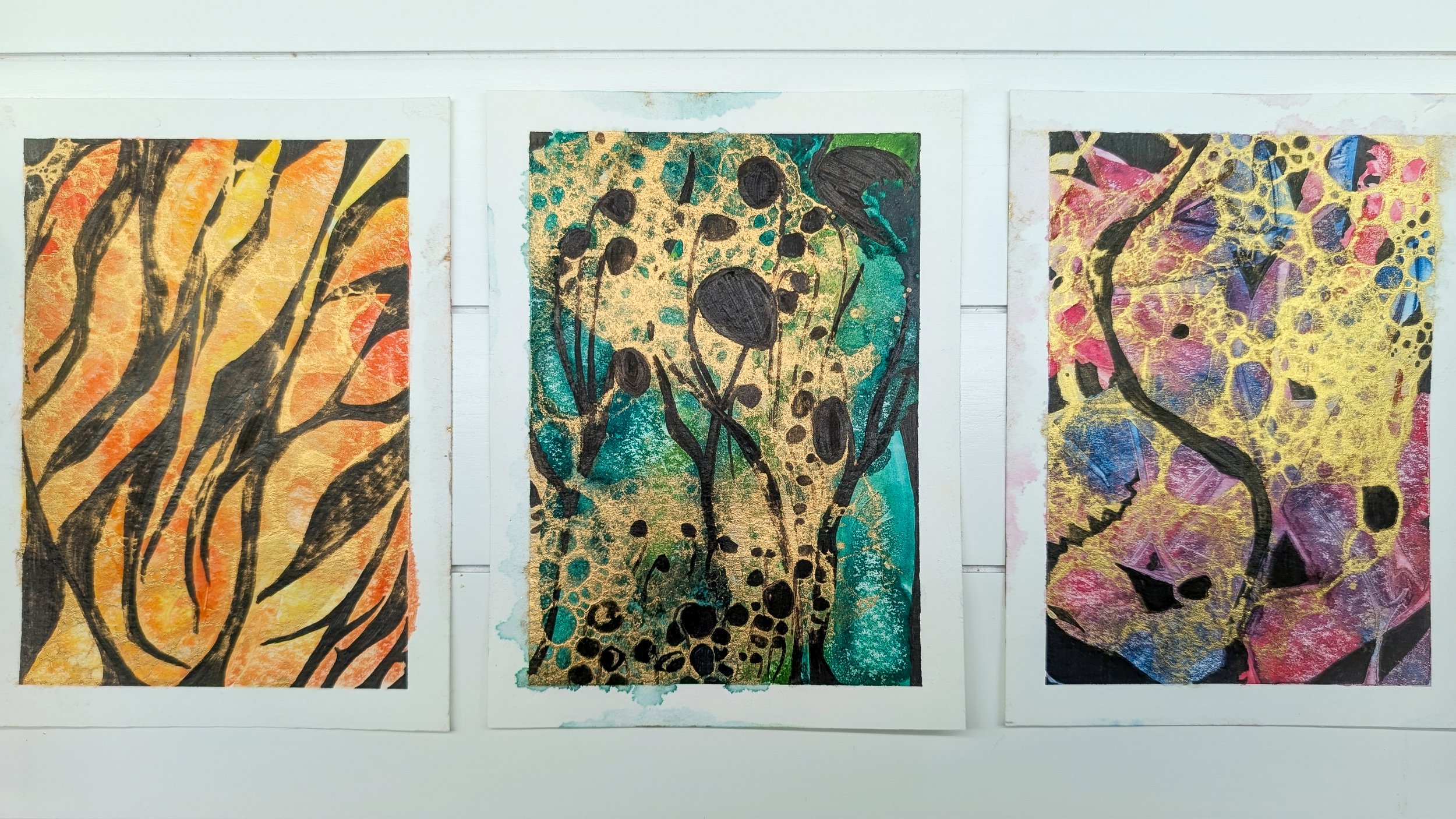
Favorites from my last batch of practice pieces. Definitely learning that I need better washi tape for the borders… :)
P - Practice: Repeat and Refine
The fifth and final step, practice goes hand in hand with elevate. Repeat that focused effort by creating variations on your chosen elements. Notice how there are three mini pieces in the photo above? And there are more where those came from. Practice pushes your artistic renderings forward, helping you train for pitfalls and refine your process. It sounds contradictory, but being methodical about your preparation for inspiration actually allows you to be more free and spontaneous when it's time to apply yourself to that special project.
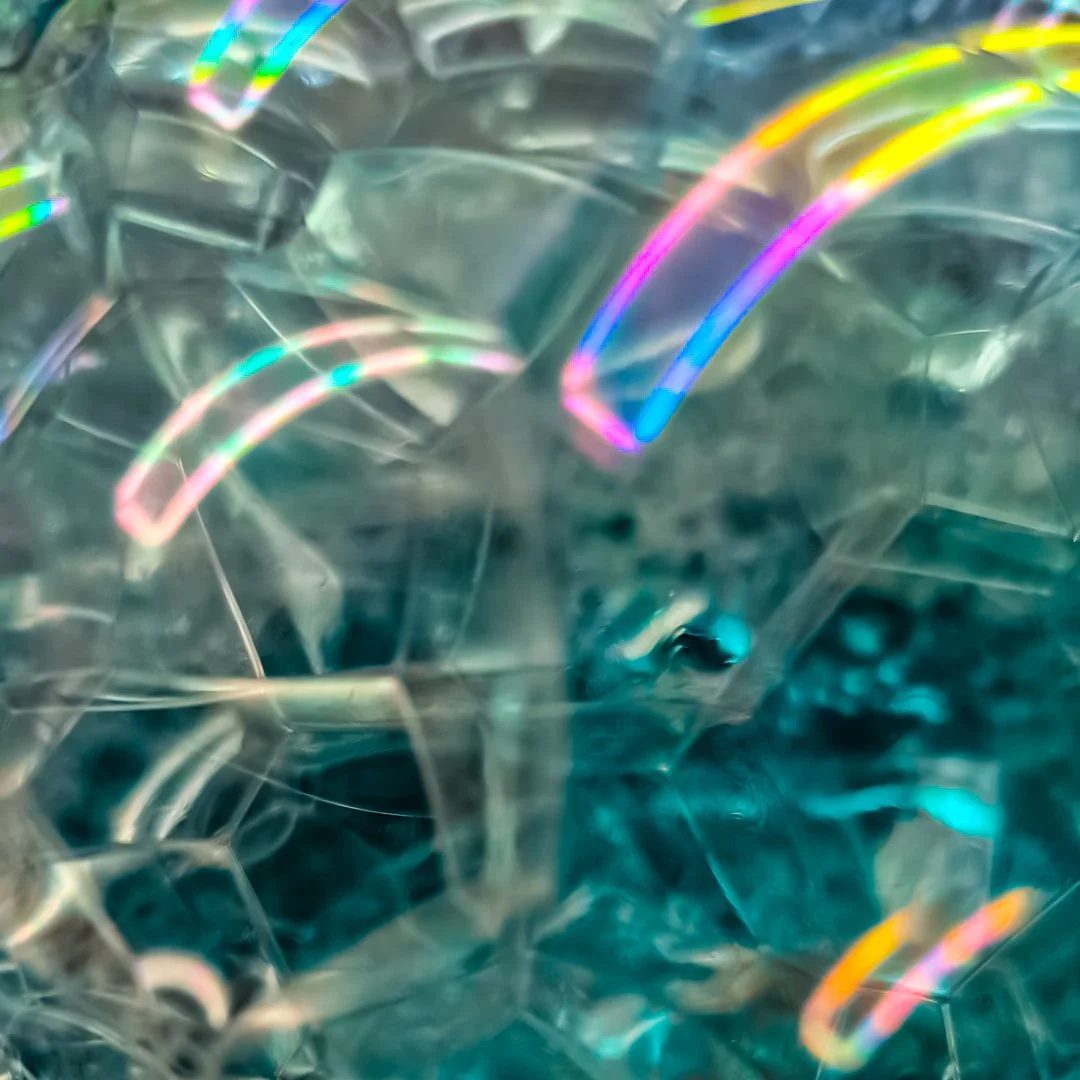
Common dishsoap, a key ingredient for creating texture in my watercolor work lately. Whoever came up with the phrase “dull as dishwater” clearly wasn’t paying attention.
Usually, by the time I've run myself through this five-step process, it doesn't take long for Inspiration to materialize before me. And it's not because she randomly decided to drop in by sheer whimsy and good fortune. No. It's because active engagement with heaps of curiosity and no demands sets a table anyone would want to be at, including your next big idea!
Has something been catching your creative eye lately? And more importantly, what are you going to do about it? Leave a comment below!