
Upcycled Studio: 6 Simple Ways to Build a Sustainable Art Practice

Conjurings (Conversations series). 2025. Watercolor and ink on paper.
NATURAL INTEGRATION
I’ve always loved Earth Day. Mostly because it means Spring is in the air and usually I get to plant a tree. But this year, I’ve been reflecting on sustainability, specifically in my art practice. As both an artist deeply inspired by nature and a human who lives on Earth, I’m very motivated to restore and maintain the health of our planet.
I think sustainability is something most people (myself included) like the idea of, but it often takes a backseat to convenience, cost, or decision fatigue. That’s not a pass, but it is the reality. For most people the blur of daily complexities is enough without the seeming hassle of trying to make it all last longer.
But what if I told you sustainability can be seamlessly woven into your usual routine? Sounds pretty good, right? And if you align it with your priorities, it can actually save you time, money, stress, and help you grow as an artist. Today I’m going to share 6 simple ways I practice sustainability in my studio and you can, too!
SIX SIMPLE PRACTICES
#1 Keep a visual inventory.
If you’re like me, when things are out of sight they’re out of mind. While this is fine for the odds and ends I throw into the junk drawer, it doesn’t bode well for sustainability in my studio. When it comes to reducing your carbon footprint, ordering supplies that you already have—simply because you couldn’t find them—is an easy habit to break. It’s why I make a point to organize my supplies on open shelves, grouping paper supplies, artist pens, paints, etc. each in their own area. That way, I can simply glance over and see that my favorite Opera Pink watercolor tube only has a couple squeezes left and I should restock soon.
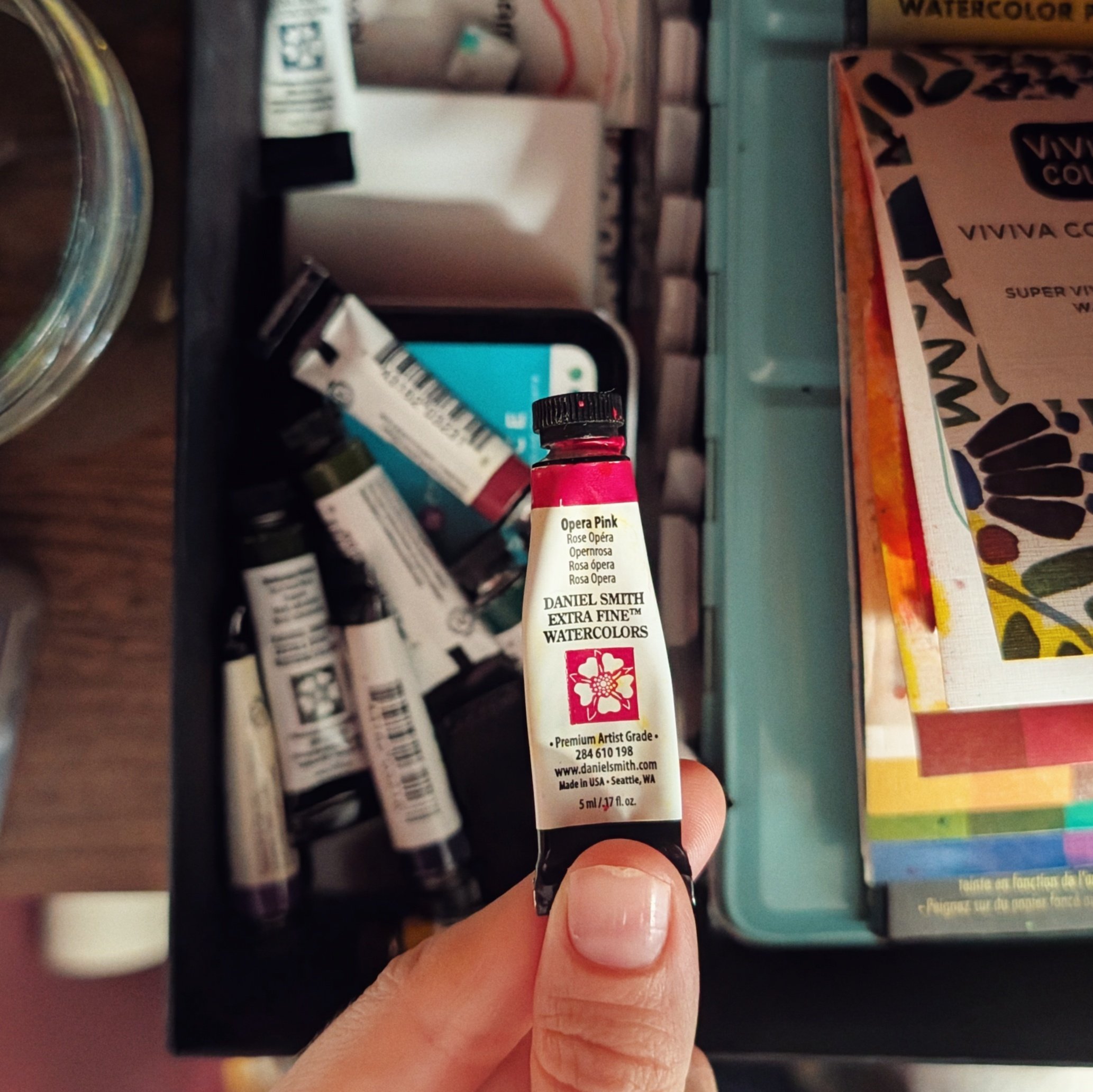
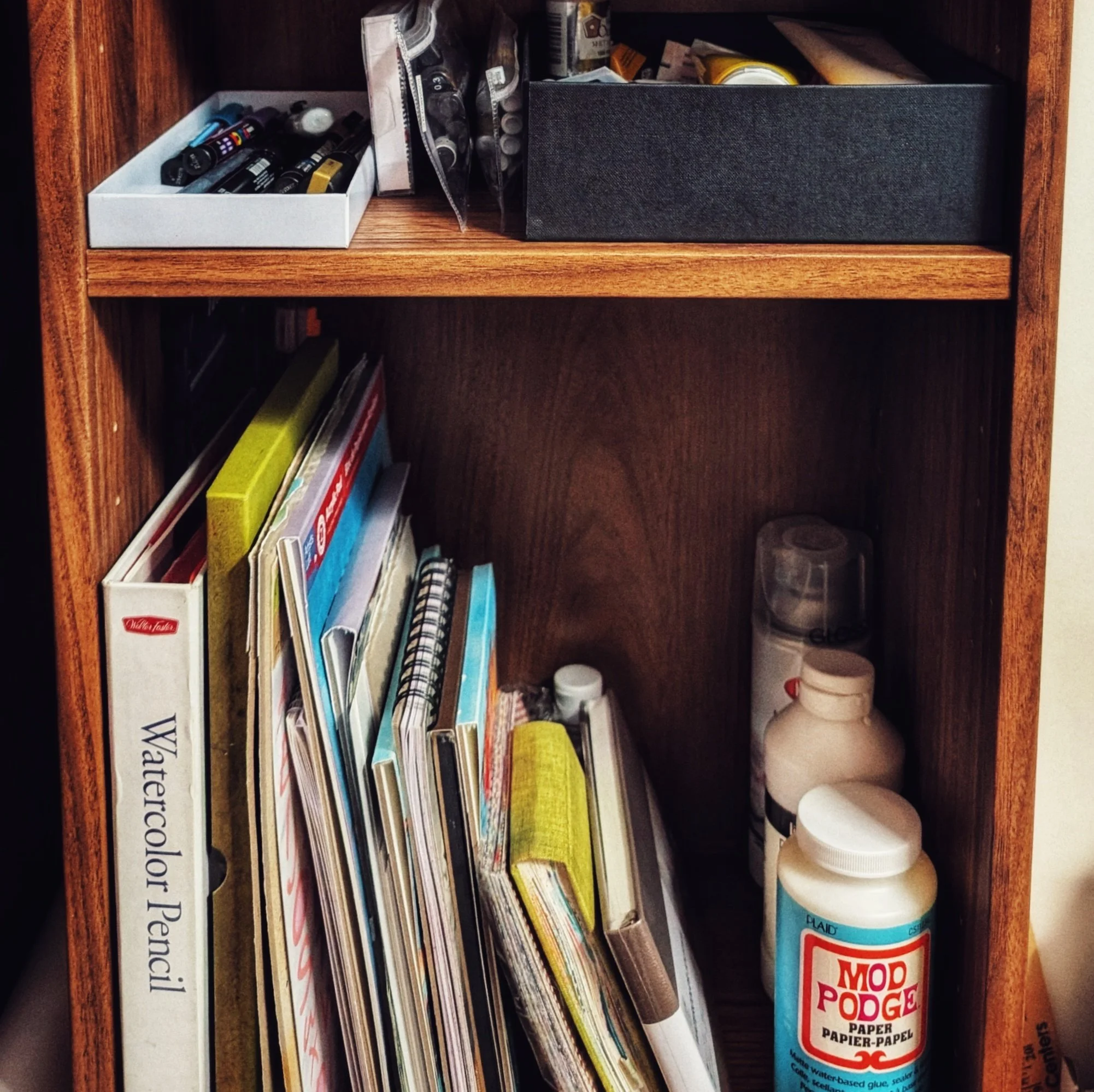
Above left: My watercolor box with all the tubes, pans, sheets, and markers. All housed in an open tray for easy optics and access.
Above right: The paper shelf. If it’s not on my table, it’s here.
Open air organization prevents me from ordering more than I need. This saves the planet CO2 emissions and additional landfill garbage. In turn, it saves me money. I also know exactly where everything is, which saves time. And, sometimes seeing supplies all together on the shelves inspires mixed media projects I wouldn’t have thought to do without the quick visual. If the open-air concept feels cluttered, add a curtain or a door and just take a peek before purchasing more supplies.
#2 Identify non-negotiable vs. negotiable items.
While I’m a strong advocate for thrifting and upcycling (more on that later), there are some items that I currently need to buy new from big suppliers. The fact is, if you live in a rural area like I do, you don’t always have access to the specific supplies you’re looking for. For me the paper brands, watercolor palettes, and brushes I use for my professional work aren’t available in local stores. Right now, these are my non-negotiables. And if they were available locally, I would simply buy them in town. For now, I order them in consolidated shipments.
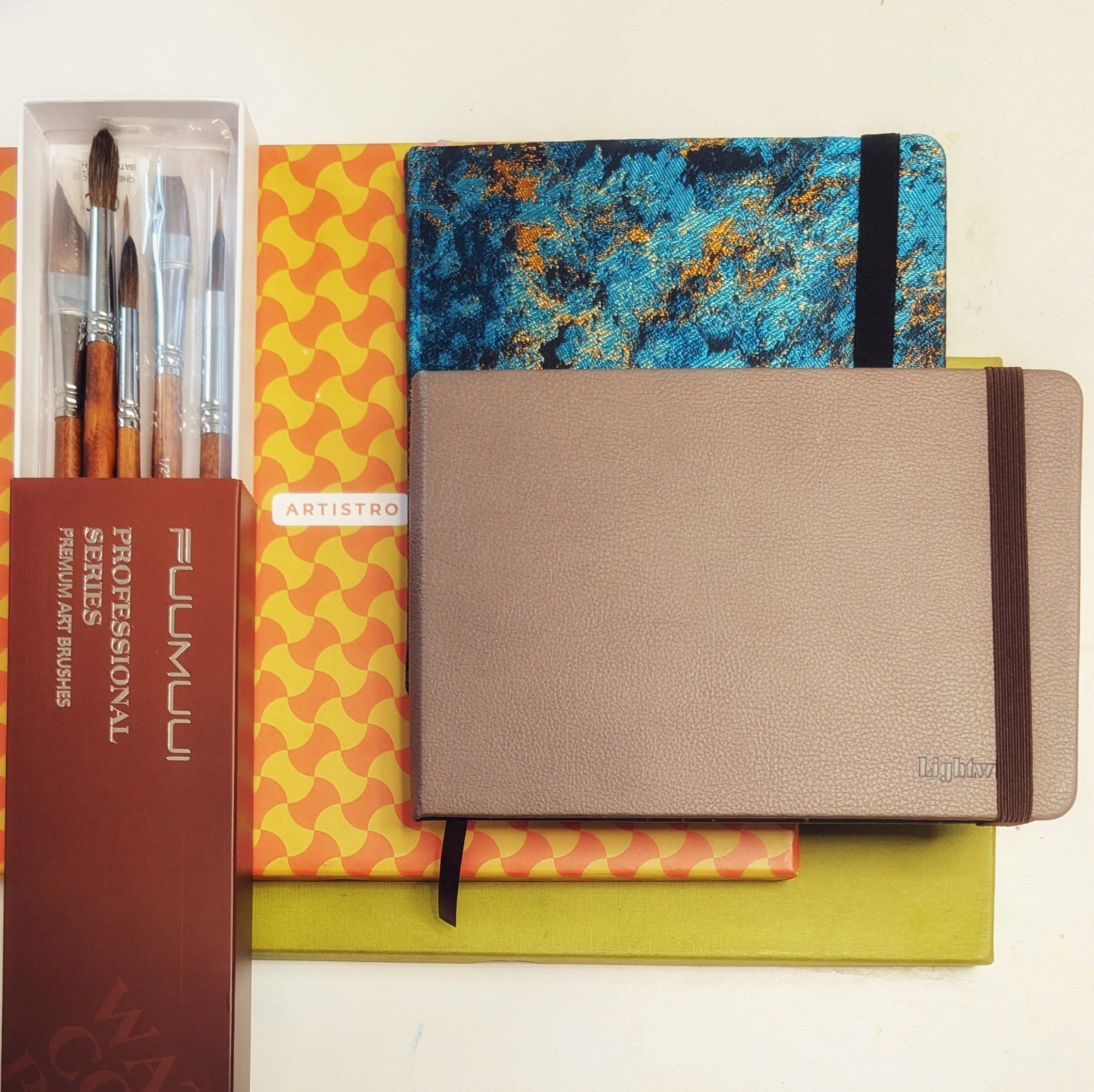
Above left: Non-negotiables. Some of my preferred brushes, watercolor palettes, and papers. I buy them new for quality and consistency in my professional work.
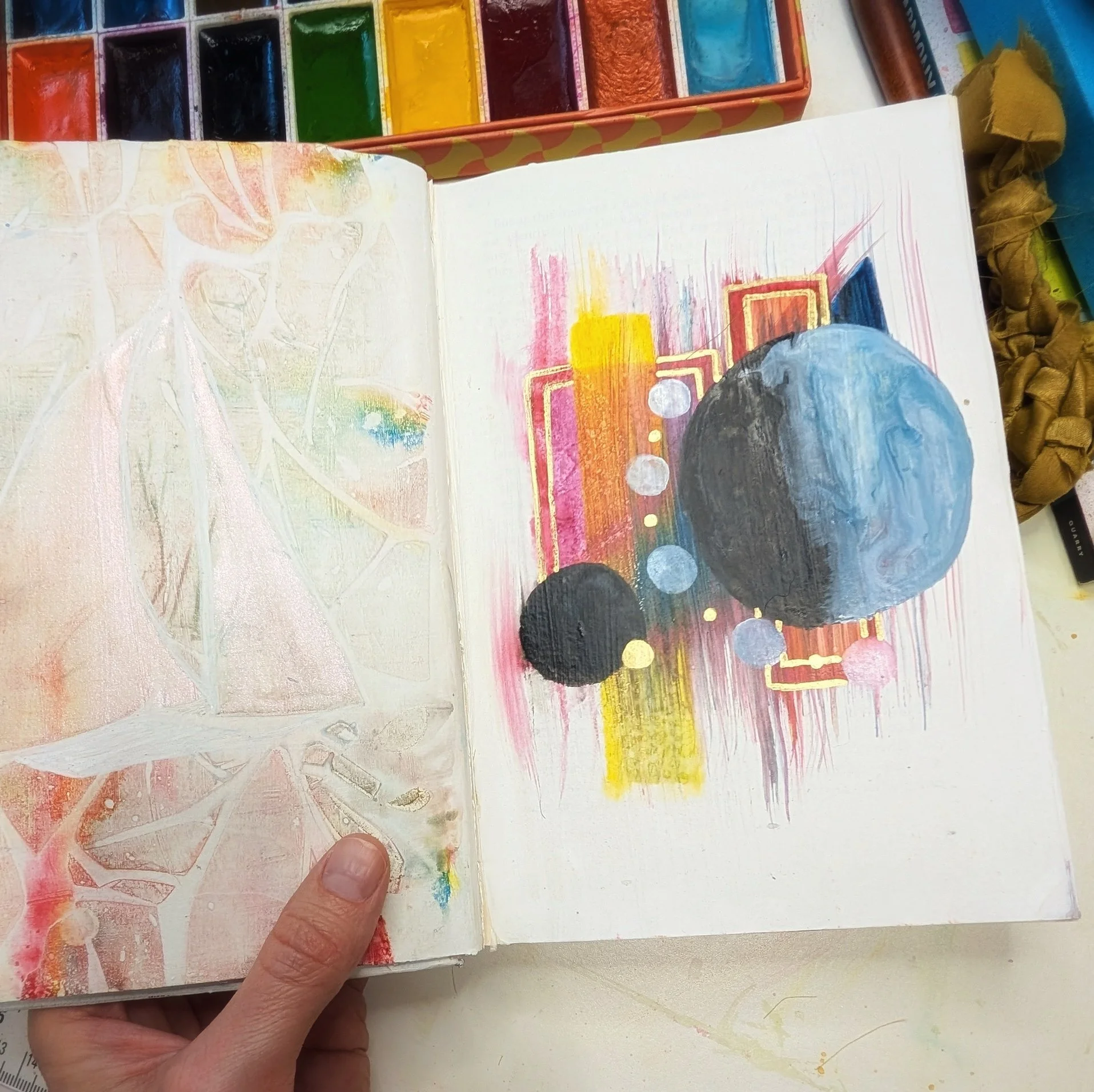
Above right: Negotiables. A prompt journal I upcycled from an old book. It’s experimental, used for practice and exploration. Specs are a little more flexible.
My negotiables are pretty much everything else. And by negotiables I mean functional or experimental items I use to do my work. These are things like storage bins, separators, brush holders, painting boards, practice journals, or test materials that I buy second hand. By refusing to purchase those items new, I reduce consumption and extend the life of used items. This saves resources for the planet, and it also allows me to invest more money into my non-negotiables.
#3 Reuse packaging.
Speaking of extending the life of used items, when I do purchase supplies or anything new in general, I always keep an eye open for potential reuse. Pretty much all of the organizers, pouches, and bins in my studio are reused or repurposed art supply packaging, gift boxes, or household containers. I organized my studio for free or at least at no additional cost to me or the ozone. Below is a video of me reorganizing my studio with reused materials. Anything I couldn’t reuse, I recycled.
Does my studio look like an influencer’s IG page? No, thank god! It looks like a grown artist’s studio. It’s cozy, unique, and sustainably organized. And if I really wanted to create a vibe for my studio shelves, I could just decorate the organizers. Sounds pretty fun actually. For now though, I’m rocking the raw materials look.
#4 Embrace thrifting.
I don’t just reserve reusing and repurposing for the operational side of creativity. It’s definitely part of the art, too. I thrift all the time for a multitude of reasons. To stay on point, the environment is one of them. There’s no shipping, no excessive packaging, less garbage piling up. The list goes on. On top of that, I find really unique items that I can’t get just anywhere. And it’s for a fraction of the price. Also, these items are usually older and made of higher quality materials.
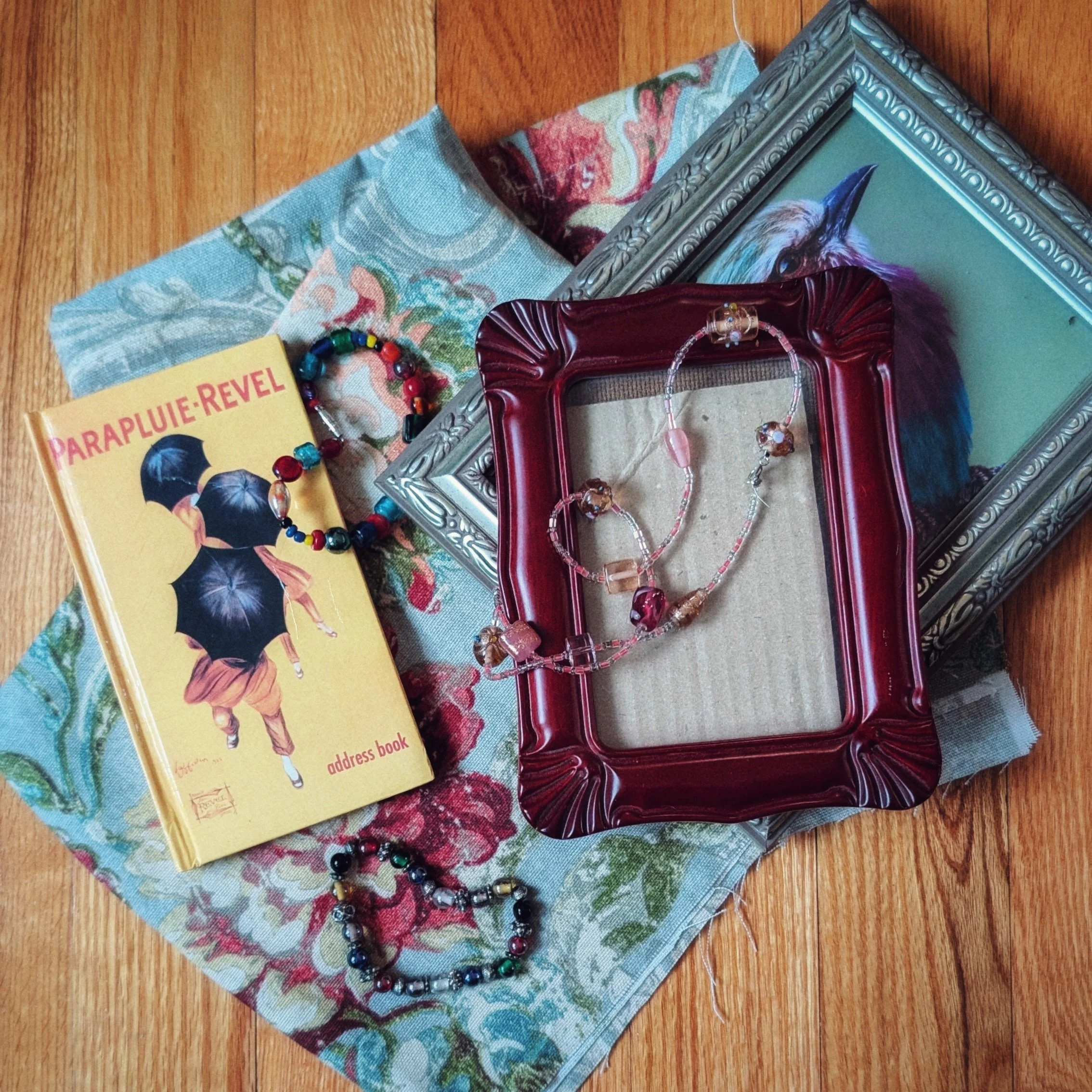
Above: A few treasures I picked up while thrifting with my bestie a couple weeks ago. I found fabric, frames, beads, and a tiny address book I want to turn it into a mini landscape journal. She found some pretty stationary.
Items I typically hunt for while thrifting are hardcover books to turn into journals, children’s books to use in collages, fabric scraps, quality frames, old china, and beads. I also like to peruse the second-hand craft section for mediums I’d like to experiment with. I've found so many treasures this way. To me, thrifting is more like a magical experience than a mundane errand. You never know what you’re going to get, but you do know it’s supporting sustainability.
#5 Save your raw materials.
I often joke that my basement is my trash panda lair. But, low-key, it's kind of true. My basement is where I store raw materials that I plan to use either in my artwork or my creative hobbies. There are a lot of glass bottles and jars, fabrics, paper products, rubber bands, spare buttons, and safety pins. Everything is clean and roughly organized. It’s kind of like a craft supply pantry at my fingertips. And it’s one that I got for free by mindfully collecting recyclable materials that I know I’ll personally have a use for.
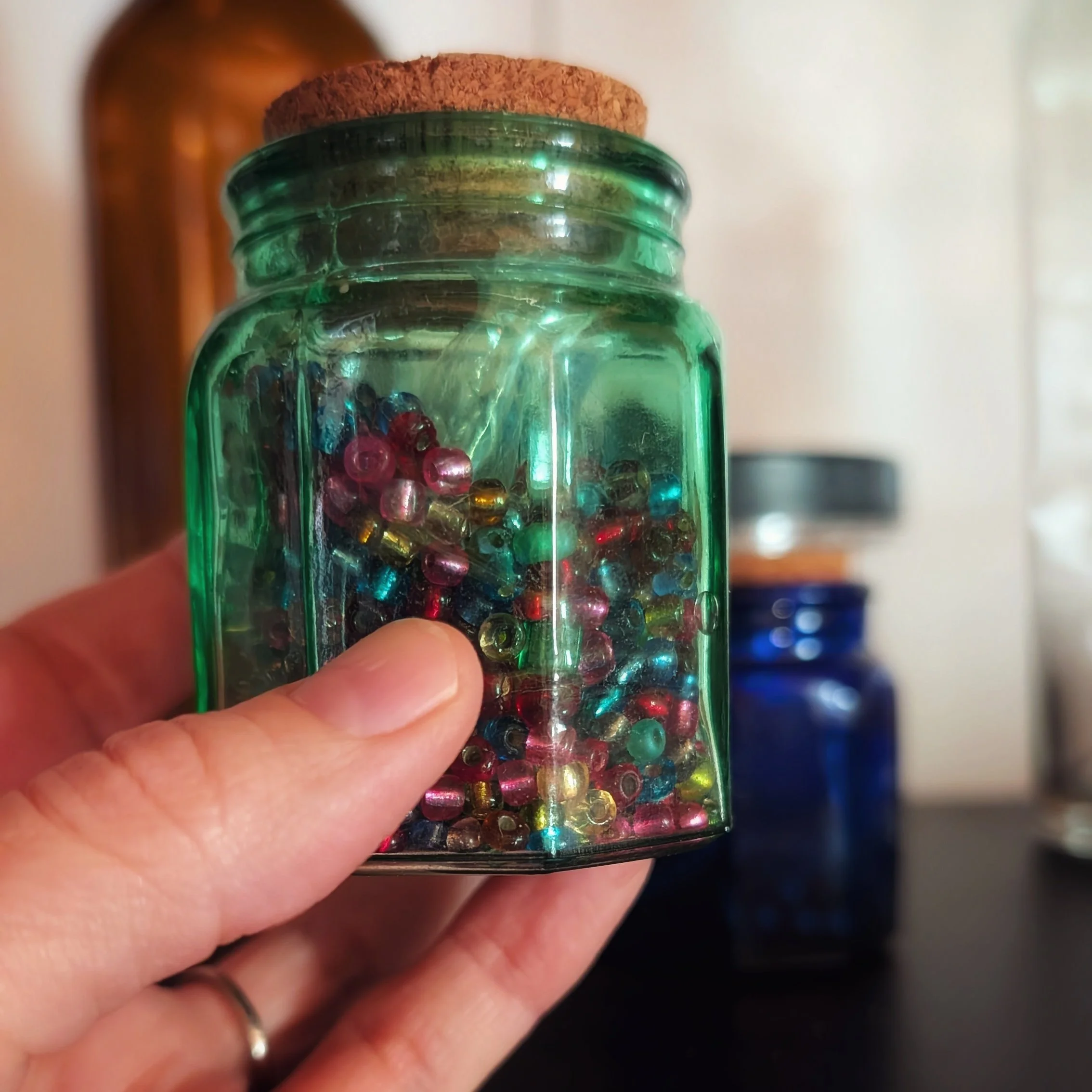
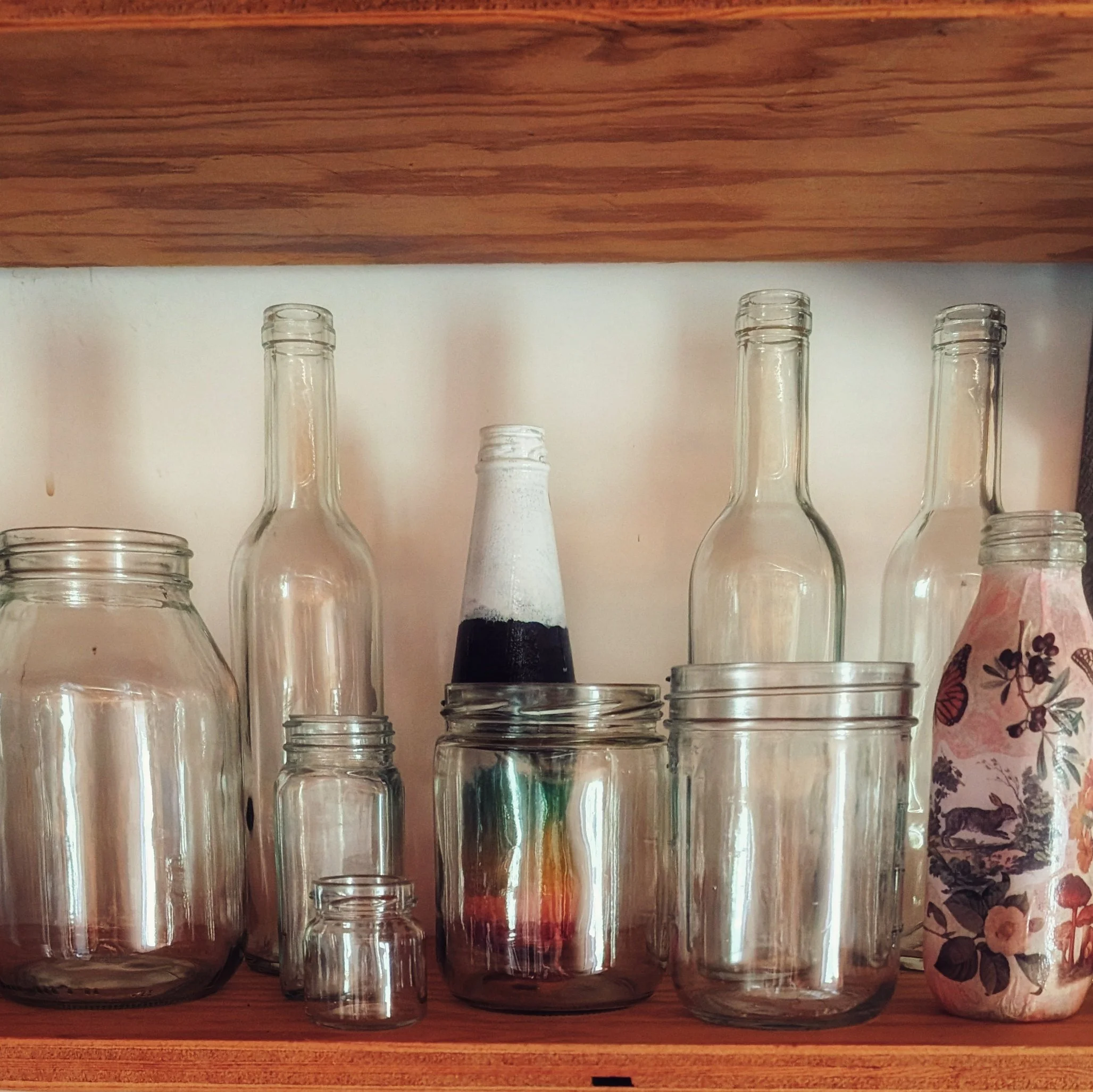
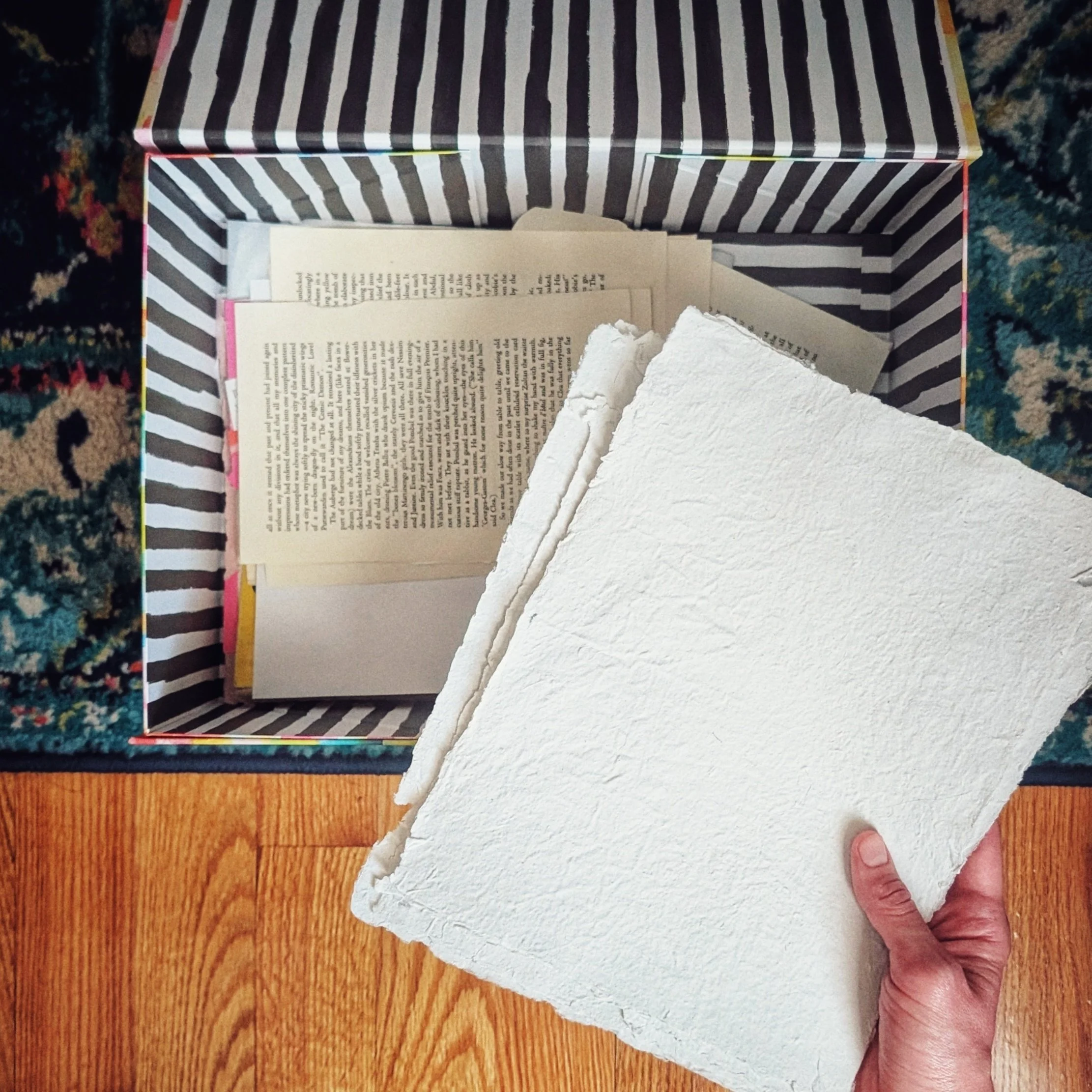
Photo 1: A colorful collection of beads to be used for future jewelry.
Photo 2: A line up of clean jars and bottles downstairs in my trash panda lair, waiting to be reused or repurposed.
Photo 3: An upcycled paper bin, collecting scrap paper daily and a batch of handmade paper created from recycled scraps.
And that’s really the key question to make this idea work for you—are these materials that you will use or could use? If not, find a way to recycle them. That will still be supportive of the environment but also guard against developing a hoarding problem. Think about the raw materials you use most and start there. For example, I use so much paper in my art practice. So, I collect the discard for scratch paper or to recycle into handmade paper (see photo above). Not only does this leverage a renewable resource, but it also helps me hone my skills as an artist. I mean, I know how to make my own paper!
#6 Partner with and purchase from sustainable companies.
This one gets tricky because there is so much conflicting information about which companies you can trust and the validity of the eco-friendly claims they make. I’m still learning how to navigate this, but the main indicators I use to discern if a company is actually being sustainable or just performative are: transparent business practices and trajectories.
If you look up a company and they provide concrete details about their production process, that is a huge green flag. It builds trust. Vague explanations and buzzwords or complete redirection? I’ll take my business elsewhere. I also look at the reviews, but not just the most recent. If a company had terrible reviews regarding sustainability five years ago and now people are singing their praises, that’s huge for me. That means the company is steadily integrating sustainability. On the flip side, a company that looked great for sustainability five years ago but has since phoned it in? Maybe choose another partner. Companies want your business. Vote with your dollar and make them grow in meaningful ways to get it.

Above: Me proudly displaying one of the Stargazer Series tumblers that I partnered with Printful to make. It turned out beautifully. No throw away to-go cups for me!
Personally, for the prints and accessories I offer in my shop, I go through Printful. It’s a print-on-demand company, which prevents waste by only producing what’s ordered by the customer. The company has sustainable and transparent business practices, and though not all the products are marketed specifically as eco-friendly, they have a steadily growing catalog of eco-friendly options to choose from. In fact, I just removed the all-over-print Stargazer Series tote bags from my shop, because they’re made from polyester. I’ve challenged myself to create pieces of art that work on their eco-friendly tote bag instead (stay tuned). And I share all this without shame or guilt, because I’m choosing to grow.
THE TAKEAWAY
Sustainability isn’t so much a destination as it is a journey. In our modern world as it stands (precariously), it’s unrealistic to think that every decision and purchase you make will be perfectly sustainable. But perfection isn’t the goal. Progress is. These simple practices I’ve shared haven’t always been my default. They were built steadily around my core habits and the everyday materials I use in my life. I started with my studio, because it’s a smaller scope and less overwhelming than tackling sustainability unilaterally. Now that I have a few sustainable systems and habits in place, I can start applying those same ideas in other areas. I’ll continue adapting and evolving, so this beautiful blue planet we have the privilege to exist on has a chance to do the same.
In honor of Earth Day, here is my sustainability challenge for you: What's one small habit in your art practice that you could easily change to make your work more sustainable? Leave a comment below! You might just inspire someone else! Thanks for reading. :)